
“What if I told you that a simple mix of vegetables and a few pantry staples could transport you to a bustling Korean market? That’s the magic of Yachaejeon, or Korean vegetable pancakes. These crispy delights are not just appetizers, but little bites of joy, packed with fresh, colorful veggies that you can easily customize to suit your taste. Whether you’re looking for a quick weeknight snack or a vibrant dish to impress at a dinner party, these Korean Vegetable Pancakes are perfect. They’re a fantastic way to use up leftover veggies and make a delicious, satisfying meal in no time. Curious about how to create these tasty treasures in your own kitchen? Let’s dive into the recipe!”
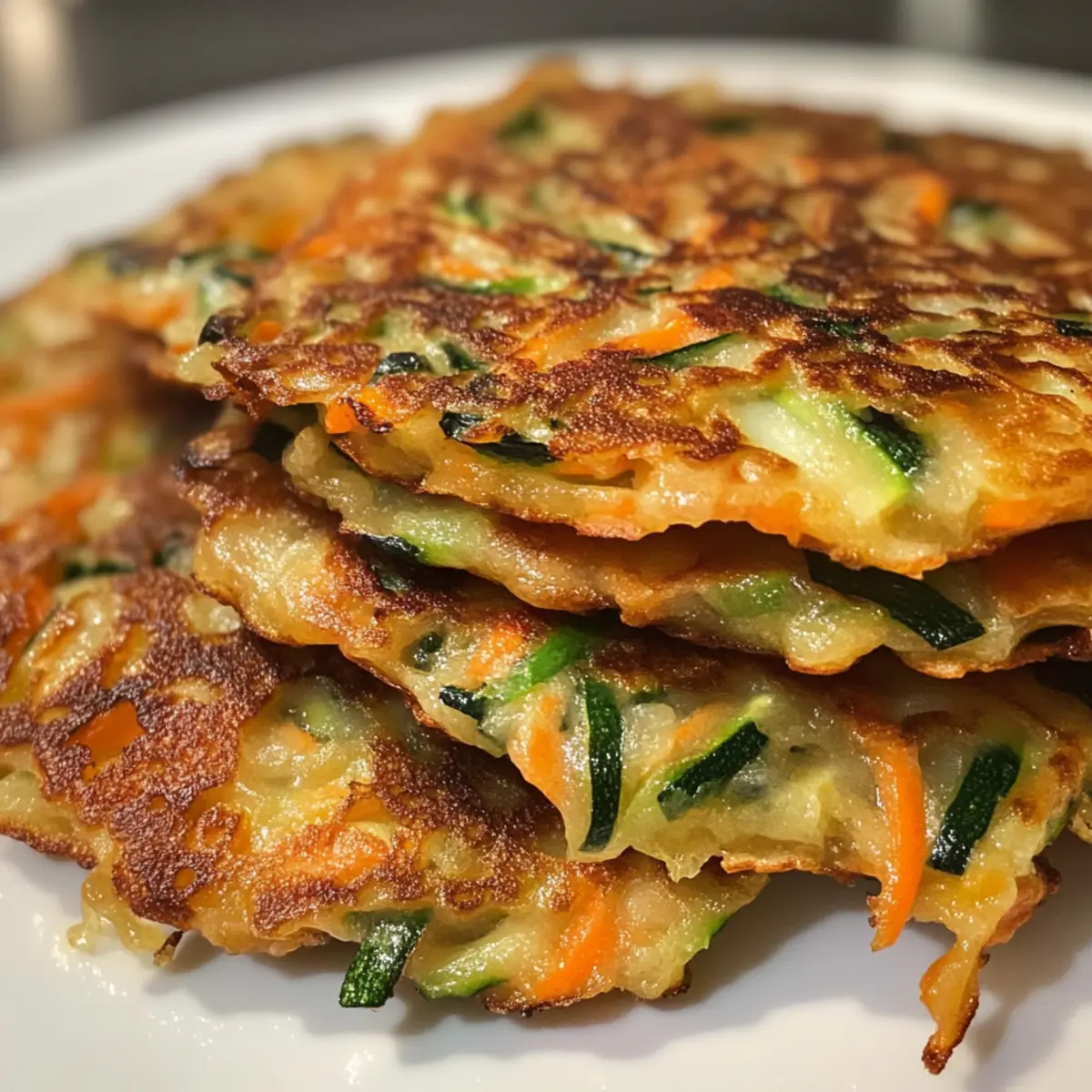
Why Love Korean Vegetable Pancakes?
Simplicity: This recipe is a breeze to make, requiring minimal ingredients and straightforward steps—perfect for both novice and experienced cooks alike!
Customizable: You can easily adapt the pancakes to include your favorite vegetables, from zucchini to carrots, making them a personal culinary canvas.
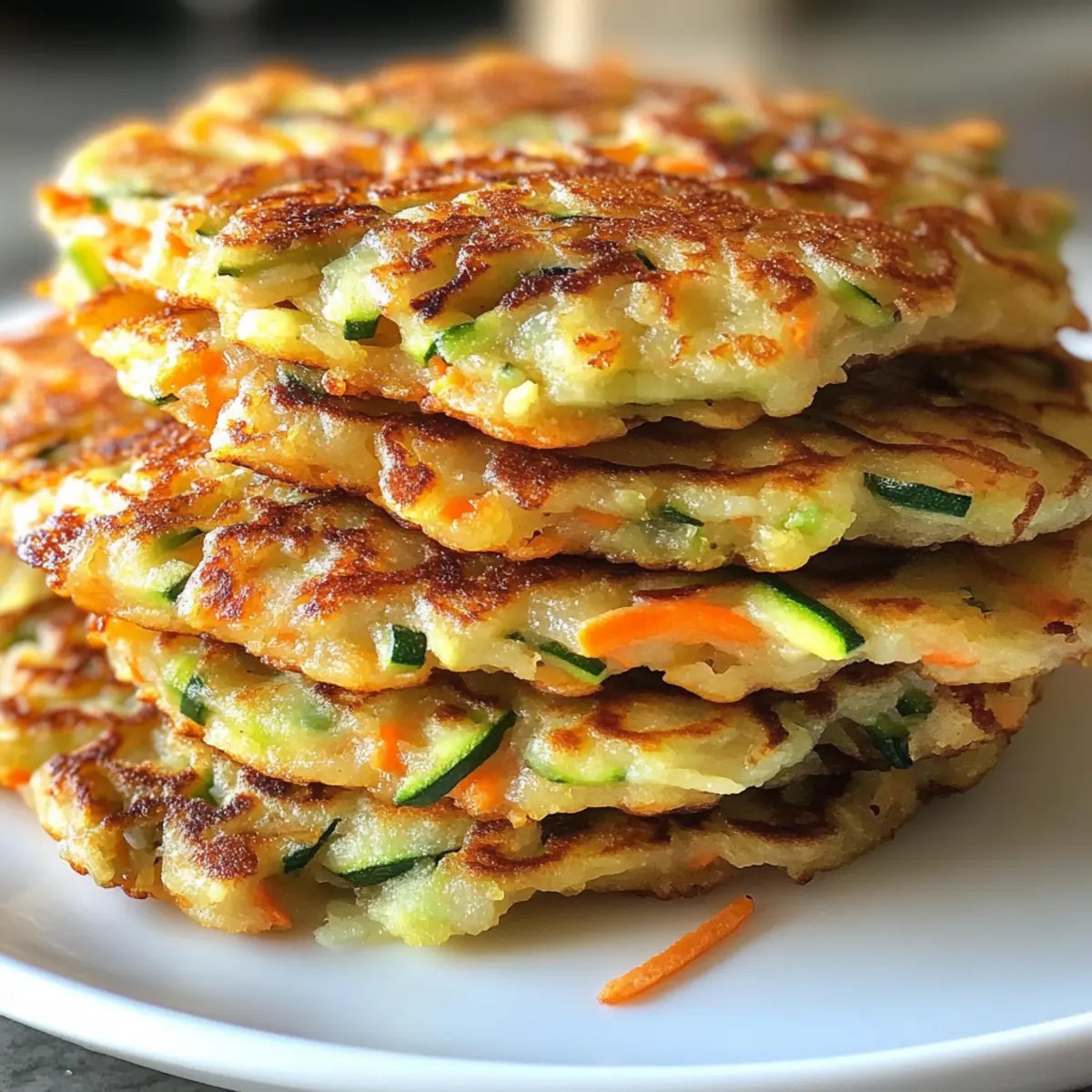
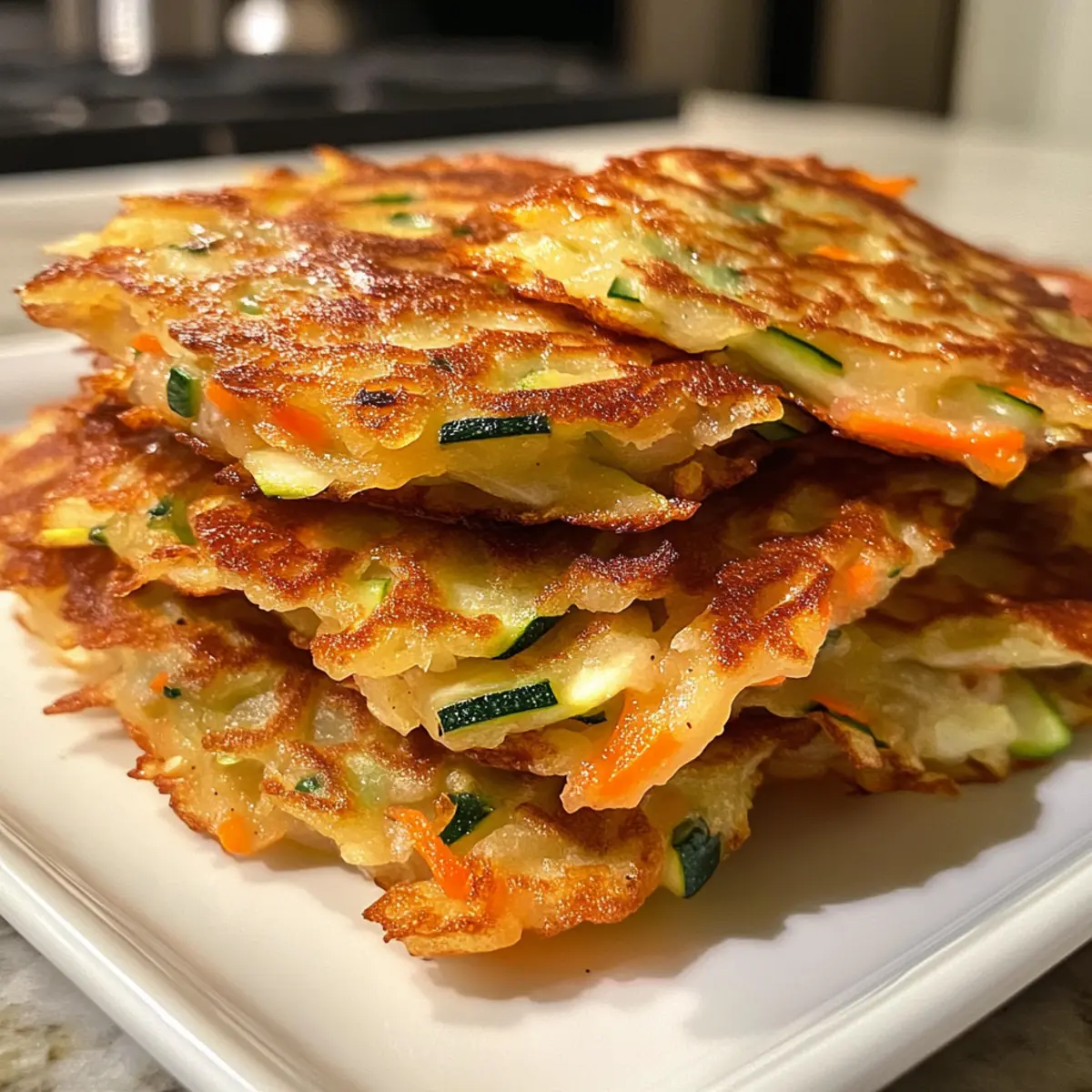
Crispy Texture: Enjoy a delightful crunch with a tender interior, ensuring every bite is satisfying and full of flavor.
Nutritional Boost: With a hearty mix of veggies, these pancakes are a fantastic way to increase your vegetable intake while indulging in a savory treat.
Crowd-Pleaser: Serve them as an appetizer or main dish, and watch them disappear from the table! Pair them with a delightful dipping sauce or a spicy gochujang for an irresistible twist. If you adore breakfast delights, consider trying these Coconut Cream Pancakes for something equally memorable!
Korean Vegetable Pancakes Ingredients
• Get ready to create crispy, delicious Yachaejeon!
For the Batter
- All-Purpose Flour – Provides structure; substitute with gluten-free flour for a gluten-free version.
- Baking Powder – Leavens the batter to create a light texture; ensure it’s fresh for best results.
- Corn Starch (or Potato Starch) – Enhances crispiness; can substitute with tapioca starch if unavailable.
- Salt (or Black Salt) – Seasoning for flavor; black salt adds a unique “eggy” taste, typical in some savory dishes.
- Turmeric Powder – Adds color and a hint of earthiness; optional but lovely for a vibrant touch.
- Room Temperature Water – Hydrates the dry ingredients; add more if the batter is too thick.
For the Vegetables
- Vegetables of Choice (e.g., zucchini, sweet potato, carrots, onions, scallions) – Main components that bring flavor and texture; feel free to mix and match based on your favorites!
For Frying
- Neutral Oil – For frying, ensures a crispy texture on the pancakes; vegetable or canola oil is recommended.
For the Dipping Sauce
- Soy Sauce – Provides a salty base; adjust to taste for your ideal flavor profile.
- Water – Used to create a thinner consistency for the sauce; balance with the soy sauce.
- Vinegar – Adds tanginess; use rice vinegar for a mild flavor or another vinegar based on taste.
- Sugar – Brings sweetness to balance the salty and tangy; substitute with honey for a natural option.
- Sesame Oil – Adds richness; a little goes a long way in flavoring!
- Sesame Seeds – Garnish for added crunch and a nutty flavor; toast for extra depth.
Now you’re ready to enjoy making these delectable Korean Vegetable Pancakes—perfect for any occasion!
Step‑by‑Step Instructions for Korean Vegetable Pancakes
Step 1: Prepare the Dry Ingredients
In a large mixing bowl, combine 1 cup of all-purpose flour, 2 tablespoons of cornstarch, 1 teaspoon of baking powder, and a pinch of salt. Whisk these dry ingredients together until well blended, ensuring there are no lumps. This mixture forms the base for your Korean Vegetable Pancakes, setting the stage for a delightfully crispy texture.
Step 2: Create the Batter
Gradually add ¾ cup of room-temperature water to the dry ingredients while stirring continuously. Mix until you achieve a thick, smooth batter, similar to pancake batter. If it appears too thick, simply add a little more water until it reaches the desired consistency. This thick batter will coat your vegetables beautifully, enhancing the flavor of your Korean Vegetable Pancakes.
Step 3: Incorporate the Vegetables
Chop your choice of vegetables, such as zucchini, carrots, and scallions, into thin strips or small pieces. Gently fold the prepared vegetables into the batter with a spatula, ensuring they are fully coated. Aim for a colorful mix, as this not only adds to the visual appeal but also enhances the flavor of your Yachaejeon.
Step 4: Heat the Pan
Place a non-stick skillet on the stove and heat it over medium-high heat. Add enough neutral oil, like vegetable or canola oil, to coat the bottom of the pan generously. You’ll know it’s ready when the oil shimmers slightly. Proper heating is crucial for achieving that coveted golden crisp on your Korean Vegetable Pancakes.
Step 5: Fry the Pancakes
Once the oil is hot, pour a ladleful of batter into the skillet, spreading it into a thin, even layer about ¼ inch thick. Let it cook undisturbed for about 4-5 minutes or until the edges turn golden brown and the surface bubbles slightly. This step is key to getting that deliciously crispy exterior.
Step 6: Flip the Pancake
Using a spatula, carefully flip the pancake over to cook the other side. Allow it to fry for another 3-4 minutes until it’s golden and crispy. Keep an eye on it; adjusting the heat if necessary to prevent burning. Your Yachaejeon should now be beautifully golden and fragrant, inviting everyone to the kitchen.
Step 7: Repeat the Process
Remove the cooked pancake from the pan and place it on a paper towel-lined plate to absorb excess oil. Continue this process with the remaining batter, adding more oil as necessary. As you layer the pancakes, make sure to cook them one or two at a time to ensure even cooking and prevent overcrowding in the pan.
Step 8: Serve and Enjoy
Once all the pancakes are made, slice them into bite-sized pieces for easy serving. Arrange them on a platter and pair with a soy-based dipping sauce or a spicy gochujang for an irresistible twist. These Korean Vegetable Pancakes are best enjoyed warm, allowing you to savor their delightful crunch and vibrant flavors!
Expert Tips for Korean Vegetable Pancakes
-
Pan Preheating: Always ensure your pan is preheated properly before adding the batter to avoid sticking and achieve a crispy texture.
-
Vegetable Salt Technique: Sprinkle a little salt on chopped vegetables before incorporating them into the batter to draw out moisture and enhance flavor.
-
Avoid Overcrowding: Cook pancakes one or two at a time in the pan to ensure they cook evenly and maintain their crispiness.
-
Thin Batter Consistency: Adjust water gradually to get the right batter thickness; it should coat the vegetables without being too runny.
-
Easy Cutting: Use kitchen scissors to cut the pancakes into bite-sized pieces easily, preserving their shape and making for simple serving.
Make Ahead Options
These Korean Vegetable Pancakes are perfect for meal prep, making your busy weeknights a breeze! You can prepare the batter and chop the vegetables up to 24 hours in advance. Simply mix the dry ingredients and add the water, then fold in your chosen veggies. Store the batter in an airtight container in the refrigerator to maintain its freshness. When you’re ready to cook, just give the batter a good stir and fry them up for crispy, delightful results. To ensure your Yachaejeon stay delicious, avoid mixing too much ahead of time, which can lead to excess moisture. Enjoy the convenience of having this tasty, homemade dish ready in no time!
What to Serve with Crispy Korean Vegetable Pancakes
Delight in the vivid flavors of your meal by pairing these crispy treats with delectable options that elevate every bite.
-
Soy-based Dipping Sauce: A simple sauce of soy sauce and vinegar enhances the savory taste of the pancakes, making every dip irresistible.
-
Fresh Cucumber Salad: Crisp cucumbers in a tangy dressing provide a refreshing contrast to the warm, crunchy pancakes, adding a burst of freshness.
-
Kimchi: The spicy, fermented flavors of kimchi complement the mild pancakes beautifully, creating a harmonious blend of tastes often found in Korean cuisine.
-
Steamed Rice: Serve the pancakes alongside fluffy white or brown rice for a satisfying meal, absorbing flavors from the dipping sauce and enhancing texture.
-
Savory Miso Soup: A warm bowl of miso soup balances the meal with its comforting flavors, creating a delightful contrast with the crispy pancakes.
-
Pickled Radish: The tangy crunch of pickled radish adds a zesty bite that pairs perfectly with Yachaejeon, enhancing your dining experience.
-
Green Tea: An aromatic cup of green tea not only cleanses the palate but complements the savory elements of the pancakes with its mild astringency.
-
Spicy Korean Tofu Stew: For a heartier meal, serve with a rich and spicy tofu stew; it’s a fabulous complement that showcases the beauty of Korean cooking.
Each pairing not only adds unique flavors but creates a well-rounded meal that celebrates the vibrant essence of Korean cuisine, ensuring your Yachaejeon shine on the table!
Korean Vegetable Pancakes Variations
Feel free to unleash your creativity and customize these delightful pancakes for an even more enjoyable experience!
- Gluten-Free: Swap all-purpose flour for gluten-free flour blend for a celiac-friendly version that retains the same delicious flavor.
- Cabbage Crunch: Substitute zucchini with shredded cabbage for a different texture and flavor, adding a satisfying crunch to your pancakes.
- Herb Infusion: Toss in fresh herbs like cilantro or chives for a fragrant twist that enhances the overall taste of the dish.
- Sweet Surprise: Add finely chopped bell peppers or corn for a hint of sweetness, creating a charming contrast to the savory batter.
- Spicy Kick: Incorporate diced jalapeños or red pepper flakes into the batter for a delightful heat that spice lovers will cherish.
- Chickpea Flour Twist: Replace all-purpose flour with chickpea flour for a nutty flavor and protein boost that elevates the health factor.
- Carb-Conscious: For a lower-carb version, replace flour with a mix of grated cauliflower and egg, creating a light and fluffy pancake.
- Asian Fusion: Try incorporating kimchi into the batter for a unique Korean twist that adds a tangy flavor and beautiful color to your pancakes.
If you’re looking for a sweet twist to pair alongside your savory pancakes, give these scrumptious Coconut Cream Pancakes a try! They make for a delightful breakfast or brunch option that everyone will love.
Storage Tips for Korean Vegetable Pancakes
Fridge: Store cooked Korean Vegetable Pancakes in an airtight container for up to 1 week. Keep them covered to maintain their moisture and flavor.
Freezer: For longer storage, freeze pancakes in a single layer, then transfer to a freezer bag for up to 3 months. This prevents sticking and helps retain their crispiness.
Reheating: To reheat, pan-fry for a few minutes until crispy or use an air fryer for a quick and effective method. Avoid microwaving, as it can make them soggy.
Make-Ahead: You can prepare the batter ahead of time and store it in the fridge for up to 24 hours. Just give it a stir before cooking to ensure the ingredients are well mixed.
Korean Vegetable Pancakes Recipe FAQs
What vegetables can I use for Korean Vegetable Pancakes?
Absolutely! You can customize your Yachaejeon with a variety of vegetables. Common choices include zucchini, sweet potato, carrots, onions, and scallions. Feel free to mix and match to suit your taste preferences!
How should I store leftover Korean Vegetable Pancakes?
Store cooked pancakes in an airtight container in the refrigerator for up to 1 week. Make sure they are covered well to maintain their moisture and flavor. When you’re ready to enjoy them again, just reheat in a pan for a few minutes to regain that crispy exterior.
Can I freeze Korean Vegetable Pancakes?
Yes, you can freeze these delightful pancakes! Lay them out in a single layer on a baking sheet and freeze until solid. Once frozen, transfer them to a freezer bag and store for up to 3 months. When you’re ready to eat, reheat them in a skillet until heated through and crispy.
What should I do if my batter is too thick?
If your batter is too thick, simply add a little more room temperature water, one tablespoon at a time, until you reach the desired consistency. You want a thick batter that will coat the vegetables nicely but still spread in the pan.
Are Korean Vegetable Pancakes suitable for people with gluten allergies?
Definitely! To make gluten-free Yachaejeon, substitute the all-purpose flour with a gluten-free flour blend. Just make sure your baking powder is also gluten-free for the best results, and enjoy these delicious pancakes worry-free!
How do I achieve extra crispy Korean Vegetable Pancakes?
To enhance the crispiness, ensure your pan is well-preheated before adding the batter and use enough oil to coat the bottom of the pan. Also, avoid overcrowding the pan; cooking one or two pancakes at a time ensures even frying and gives you that desirable crunch on every bite!
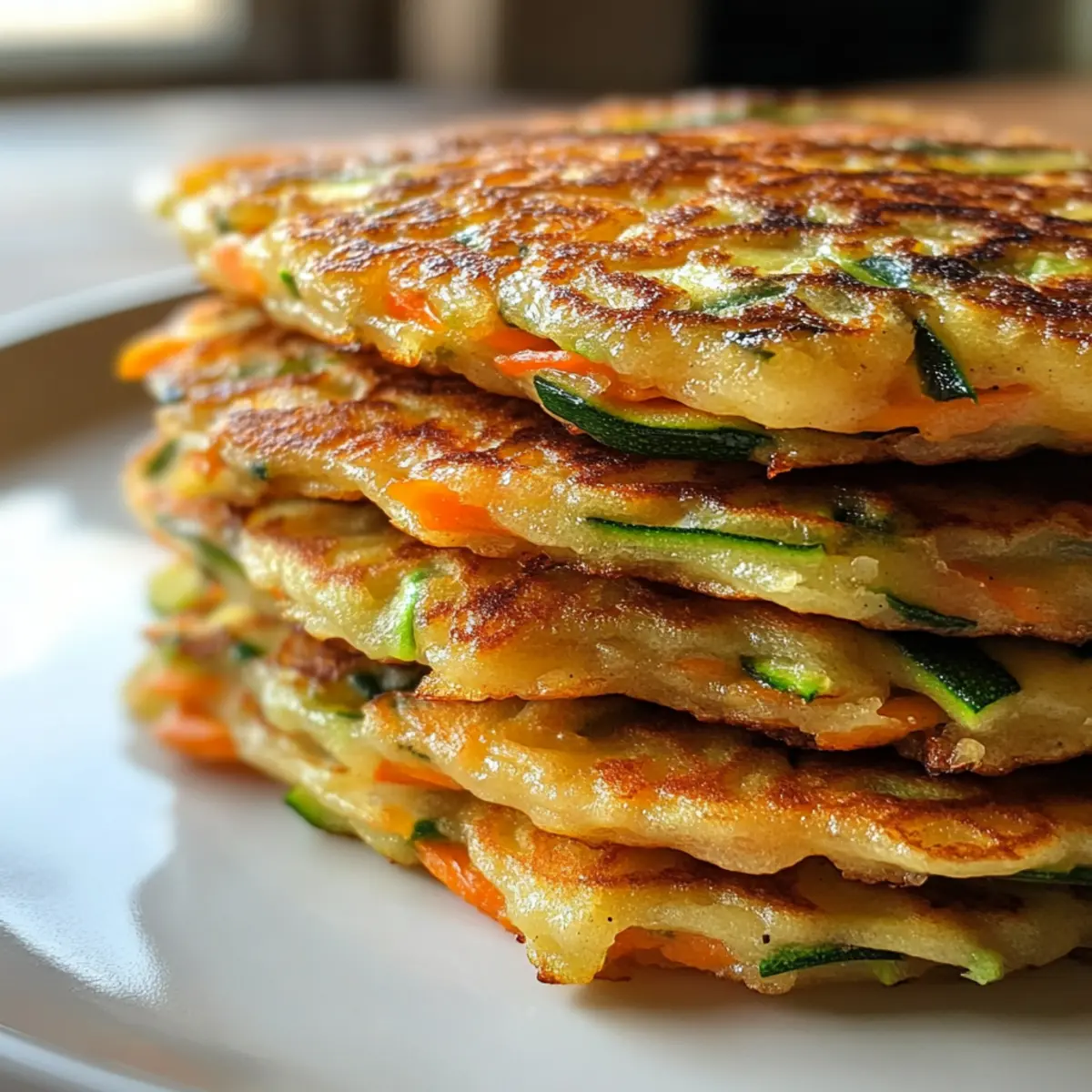
Crispy Korean Vegetable Pancakes That Dazzle Your Taste Buds
Ingredients
Equipment
Method
- In a large mixing bowl, combine all-purpose flour, cornstarch, baking powder, and a pinch of salt. Whisk until well blended.
- Gradually add room-temperature water to the dry ingredients while stirring continuously until you achieve a thick, smooth batter.
- Chop your choice of vegetables into thin strips and fold them into the batter until fully coated.
- Heat a non-stick skillet over medium-high heat and add enough oil to coat the bottom.
- Pour a ladleful of batter into the skillet, spreading it into a thin layer. Cook for about 4-5 minutes or until golden brown.
- Carefully flip the pancake and fry for another 3-4 minutes until golden and crispy.
- Remove and place on a paper towel-lined plate. Repeat with remaining batter.
- Slice into bite-sized pieces and serve warm with a dipping sauce.
Leave a Reply