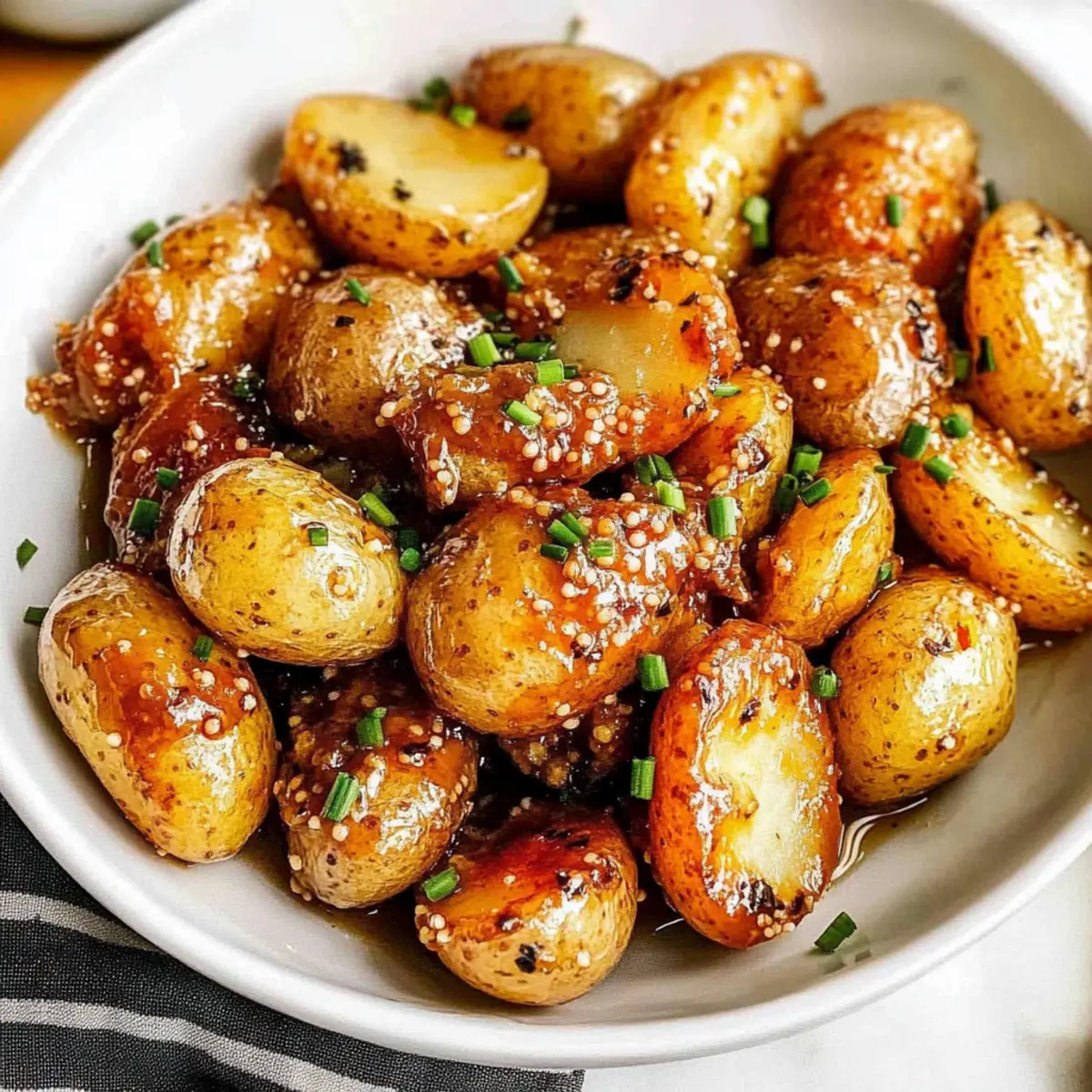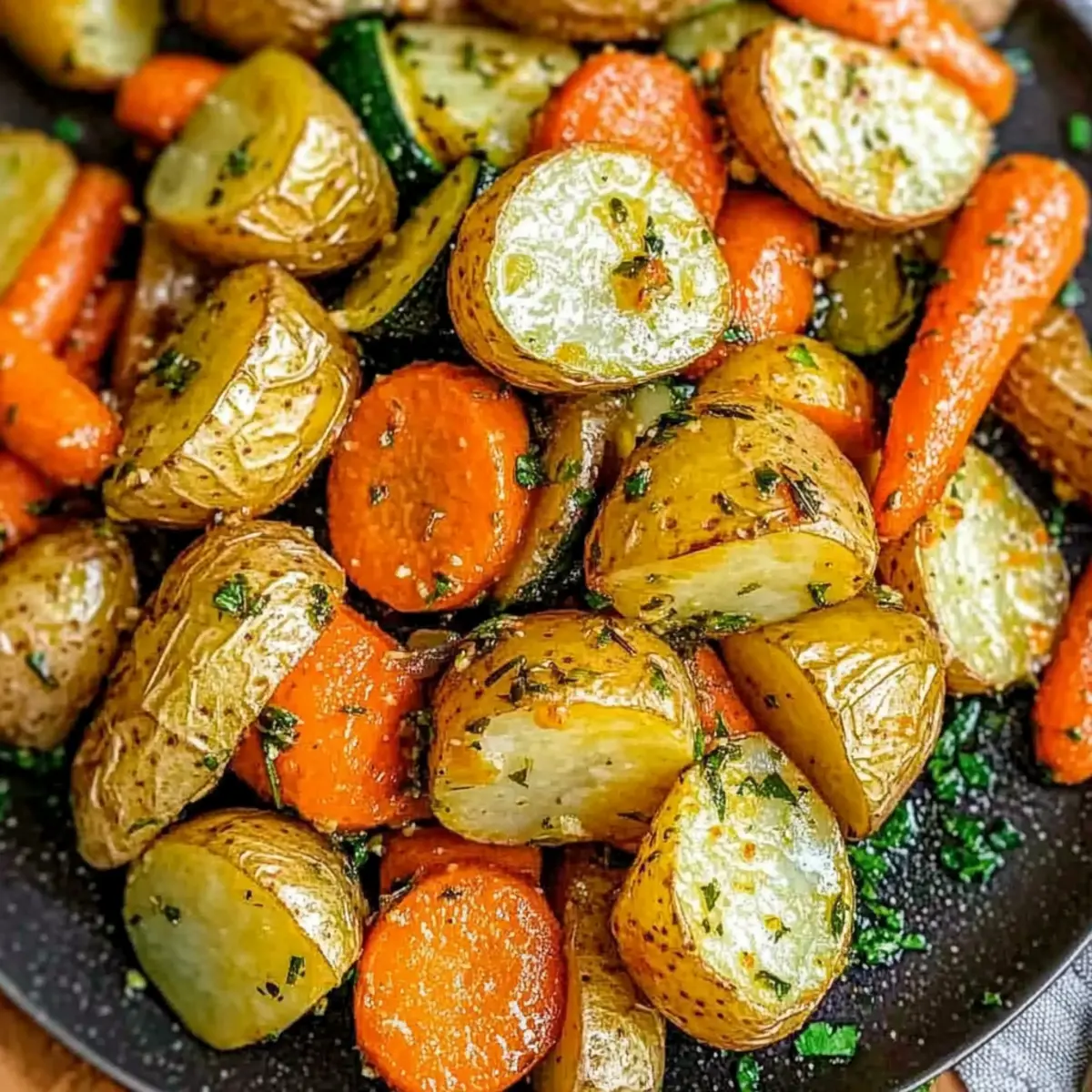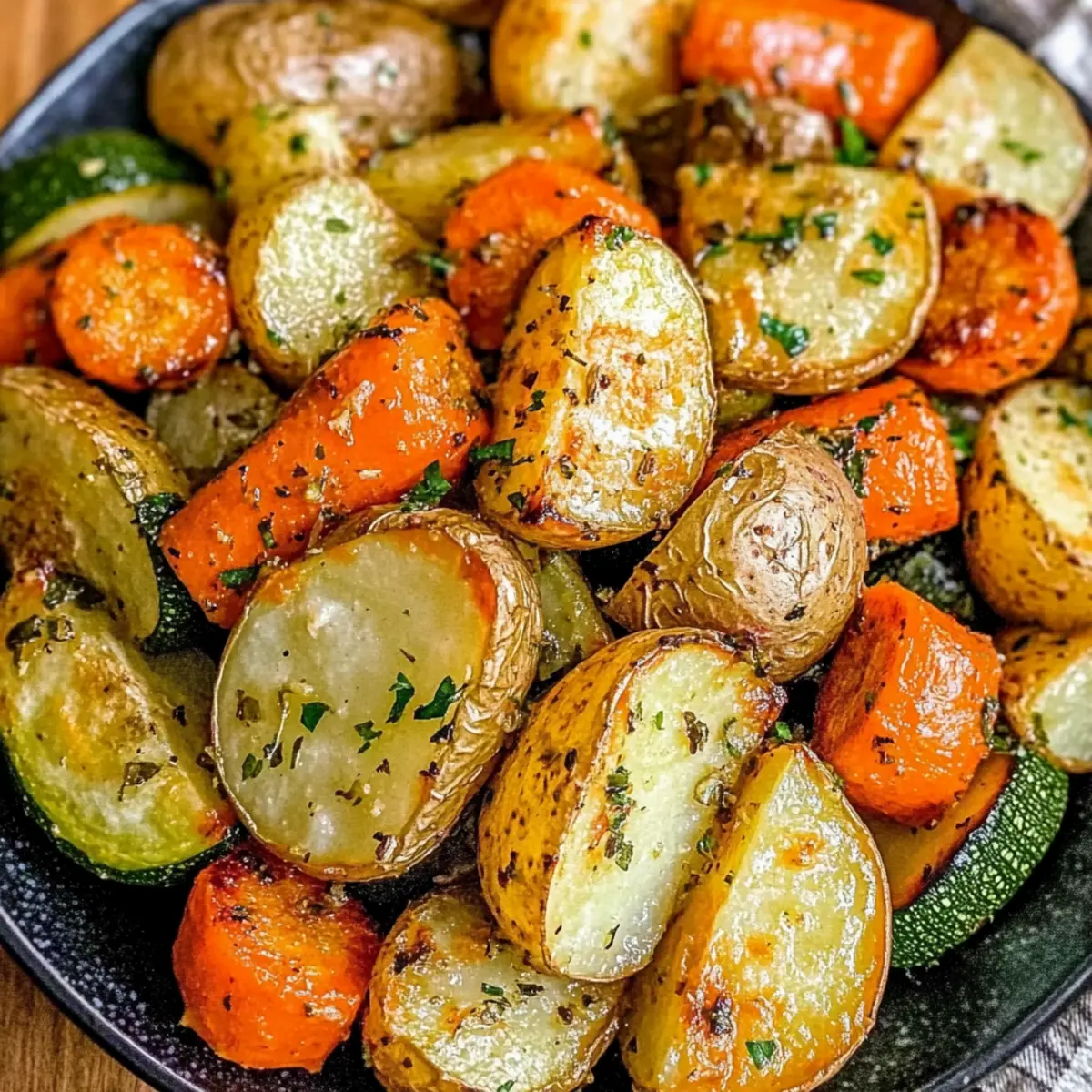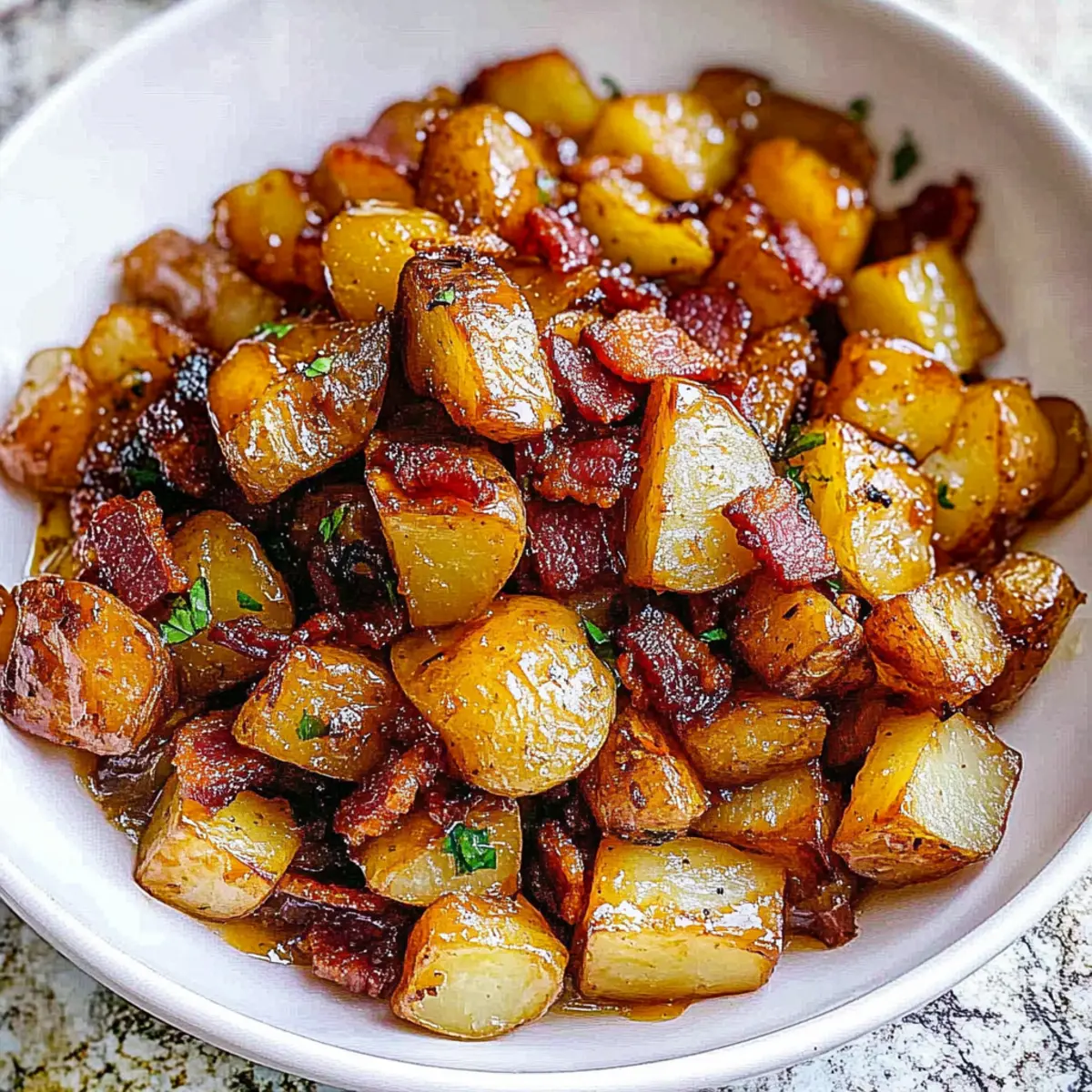
As the aroma of roasting garlic and zesty lemon wafts through my kitchen, I can’t help but feel transported to the sun-soaked shores of Greece. These Greek Lemon Potatoes are not just any side dish; they are a culinary celebration where tender potatoes meet a bright, savory broth. Perfectly infused with lemon and garlic, this vegetarian delight offers a quick prep solution for busy weeknights while promising to impress your dinner guests with its vibrant flavor and golden, crispy edges. Whether paired with grilled meats or simply as a star on your table, these potatoes elevate any meal. Curious about how to achieve that perfect balance of creamy interiors and crispy exteriors? Let’s dive into the magic of making these irresistible Greek Lemon Potatoes!

Why are Greek Lemon Potatoes a must-try?
Crispy, Tender Perfection: The unique cooking method ensures each potato is soft inside while achieving irresistible crispiness on the outside.
Flavor Explosion: Infused with tangy lemon and aromatic garlic, every bite bursts with Mediterranean zest that will transport your taste buds to sunny Greece.
Simple Preparation: With easy-to-follow steps, this recipe suits both novice cooks and seasoned chefs, making it accessible for anyone craving homemade goodness.
Versatile Side Dish: Perfectly complements grilled meats, fish, or even a refreshing Greek salad like my Lemon Balsamic Lentil salad for a complete meal.
Meal Prep Friendly: These tasty bites can be made ahead and stored, offering a quick reheat solution for busy weeknights without sacrificing flavor.
Greek Lemon Potatoes Ingredients
• Discover the perfect blend of flavors!
For the Potatoes
• Yellow Potatoes – Yukon Golds are best for their buttery texture and ability to hold shape.
• Olive Oil – Extra virgin olive oil intensifies the flavor; a must for authentic taste!
• Fresh Lemon Juice – Brightens the dish; use juice from about 2 medium lemons for the brightest flavor.
• Garlic Cloves – Minced garlic provides aromatic depth and essential flavor infusion.
For the Broth
• Chicken Broth or Vegetable Broth – Use chicken broth for a richer taste, or opt for vegetable broth to keep these Greek Lemon Potatoes vegetarian.
• Dried Oregano – Offers classic Greek herbaceous notes; avoid fresh for longer cooking.
• Salt – Elevates all flavors; adjust to your preference.
• Black Pepper – Freshly ground black pepper adds a mild heat to the mix.
For Garnishing
• Chopped Fresh Parsley – A sprinkle of parsley brightens the plate and enhances presentation.
• Tzatziki Sauce – Optional but highly recommended for serving; adds a creamy, cool complement to the potatoes.
Step‑by‑Step Instructions for Greek Lemon Potatoes
Step 1: Prep Oven
Begin by preheating your oven to 400°F (200°C). This temperature is key for achieving a nice, crispy exterior on your Greek Lemon Potatoes. As the oven warms up, set out all your ingredients and tools, including a mixing bowl and a baking dish, to streamline your cooking process.
Step 2: Mix Ingredients
In a large mixing bowl, whisk together ¼ cup of olive oil, juice from 2 medium lemons, 4 minced garlic cloves, and 1 cup of your choice of broth. Add 1 teaspoon of dried oregano, along with salt and pepper to taste. The mixture should be fragrant and well combined, setting the stage for the rich flavors in your Greek Lemon Potatoes.
Step 3: Prepare Potatoes
Cut Yukon Gold potatoes into wedges, ensuring they are similar in size for even cooking. Place the potato wedges in the baking dish, then pour the lemon and broth mixture over them, ensuring each piece is lovingly coated. Arrange the wedges with the cut sides down for optimal caramelization and presentation.
Step 4: Cover and Bake
Tightly cover the baking dish with aluminum foil and slide it into the preheated oven. Bake for 40 minutes, allowing the potatoes to steam in the flavorful broth. After this time, the potatoes should be tender yet still holding their shape, ready for the next delicious step.
Step 5: Roast Uncovered
After 40 minutes, carefully remove the foil and return the dish to the oven. Continue baking for an additional 20 to 30 minutes, basting the potatoes with the pan juices every 10 minutes. You’re aiming for crispy, golden edges and mostly absorbed liquid, creating that satisfying contrast in texture typical of Greek Lemon Potatoes.
Step 6: Serve
Once your Greek Lemon Potatoes are beautifully roasted and golden brown, remove them from the oven. Garnish the potatoes with freshly chopped parsley for added color and flavor. Serve warm, and consider offering a side of creamy tzatziki sauce to enhance the Mediterranean experience of this delightful dish.

Greek Lemon Potatoes Variations & Substitutions
Feel free to explore new flavors and textures while making these delightful potatoes!
-
Herb Boost: Try adding fresh rosemary or thyme for a fragrant twist that enhances the Mediterranean aroma.
-
Spice it Up: For a bit of heat, sprinkle in some red pepper flakes or cayenne pepper for a zesty kick that pairs perfectly with the lemon.
-
Creamy Texture: Swap out some broth for heavy cream in the mixture for a richer, creamier flavor explosion that tantalizes the taste buds.
-
Cheesy Goodness: Add grated Parmesan cheese atop the potatoes during the last 10 minutes of roasting for a savory, cheesy crust that takes it over the top.
-
Citrus Medley: Mix in zest from oranges or limes along with lemon juice for a fresh citrus twist that brightens every bite.
-
Sweet & Savory: Toss in some honey or maple syrup into the broth mixture for a touch of sweetness that beautifully offsets the tanginess of the lemon.
-
Lentil Sidekick: Serve alongside a hearty Lemon Balsamic Lentil salad for a nutritious side that complements the flavors beautifully.
-
Garlic Lovers Delight: If you’re a garlic enthusiast, feel free to double the garlic cloves for an even more aromatic and flavorful experience.
How to Store and Freeze Greek Lemon Potatoes
Fridge: Store your Greek Lemon Potatoes in an airtight container in the refrigerator for up to 3 days to keep them fresh and flavorful.
Freezer: For longer storage, freeze the potatoes in a single layer on a baking sheet. Once frozen, transfer them to a sealed freezer bag for up to 2 months.
Reheating: When ready to enjoy, reheat the frozen Greek Lemon Potatoes in a 350°F (175°C) oven for about 20-25 minutes, or until heated through and crispy again.
Caution: If refrigerating leftovers, avoid refreezing after thawing to ensure the best taste and texture upon reheating.
Make Ahead Options
These Greek Lemon Potatoes are ideal for those busy weeknights when you need a delicious side dish prepped in advance! You can prepare the potato wedges and toss them in the lemon and garlic mixture up to 24 hours before baking. Simply cover the baking dish tightly with plastic wrap and refrigerate to keep the flavors fresh and ensure no browning occurs. When you’re ready to serve, just pop them in a preheated oven and follow the baking instructions as usual; they’ll be just as tasty! This approach saves time and gives you confidence in serving a delightful, home-cooked meal without the last-minute rush!
What to Serve with Greek Lemon Potatoes
Elevate your dining experience with delightful pairings that enhance the flavors of creamy, zesty potatoes.
-
Grilled Chicken: The charred flavors of grilled chicken create a delicious contrast, complementing the tangy lemon essence beautifully.
-
Mediterranean Chickpea Salad: This refreshing salad adds a vibrant crunch and balances the richness of the potatoes with crisp veggies and herbs.
-
Lemon Garlic Shrimp: The citrusy shrimp harmonizes with the lemony notes in the potatoes, making for a zesty, satisfying meal.
-
Tzatziki Sauce: A creamy, cooling dip that enhances every bite of the crunchy potatoes, bringing a delightful balance to your plate.
-
Roasted Asparagus: Tender, lightly seasoned asparagus brings a fresh, green element, pairing perfectly with the dish’s rich flavors.
-
Pita Bread: Soft and warm pita is perfect for scooping up potatoes and tzatziki, adding a delightful texture to each bite.
-
Red Wine: A glass of dry red wine enhances the meal’s Mediterranean vibe while complementing the rich flavors of both shrimp and potatoes.
Expert Tips for Greek Lemon Potatoes
-
Uniform Cuts: Make sure your potato wedges are cut to similar sizes to ensure even cooking throughout. This helps achieve that perfect tender inside and crisp outside.
-
Foil Timing: Don’t rush the cooking! Covering the dish for 40 minutes allows the potatoes to steam before roasting, which is crucial for the texture of Greek Lemon Potatoes.
-
Basting Matters: Be diligent about basting the potatoes with pan juices during the uncovered roasting phase. It promotes even browning and enhances flavor, creating the ideal crispy outer layer.
-
Choice of Potatoes: Stick with Yukon Golds or similar waxy potatoes; if you choose russets, be aware they’ll likely break apart more as they absorb liquid.
-
Broth Alternatives: For an enhanced flavor profile, consider using homemade broth. It elevates the dish while keeping your Greek Lemon Potatoes vegetarian-friendly without sacrificing depth.

Greek Lemon Potatoes Recipe FAQs
How do I choose the best potatoes for Greek Lemon Potatoes?
Absolutely! For the best texture and flavor, I recommend using Yukon Gold potatoes. They hold their shape well during cooking and have a naturally buttery flavor that enhances the dish. Look for firm potatoes without any dark spots or blemishes.
What is the best way to store leftover Greek Lemon Potatoes?
To store your leftover Greek Lemon Potatoes, place them in an airtight container and refrigerate them. They will keep well for up to 3 days. When you’re ready to enjoy them again, simply reheat in a 350°F oven for about 10-15 minutes, ensuring they regain their crispy edges.
Can I freeze Greek Lemon Potatoes?
Yes, you can absolutely freeze Greek Lemon Potatoes! Start by letting them cool completely. Then, spread them in a single layer on a baking sheet and freeze until solid. Afterward, transfer the frozen potatoes to a sealed freezer bag. They’ll be good for up to 2 months. To reheat, bake them from frozen in a preheated 350°F oven for about 20-25 minutes or until hot and crispy again.
What if my potatoes don’t get crispy?
If your Greek Lemon Potatoes aren’t getting crispy, don’t worry! Here’s a step-by-step troubleshooting guide: First, ensure your oven is at the right temperature before you bake. It’s also important to keep them uncovered during the final roasting phase to allow moisture to escape. Basting them every 10 minutes with pan juices helps, too. If they’re still not browning, try increasing the oven temperature to 425°F for the last 10 minutes.
Are Greek Lemon Potatoes suitable for vegetarians?
Yes, Greek Lemon Potatoes are perfect for vegetarians! Simply use vegetable broth instead of chicken broth, and you’ll have a bright, flavorful side dish that everyone can enjoy. Plus, they pair wonderfully with grilled vegetables or as part of a Mediterranean meal.
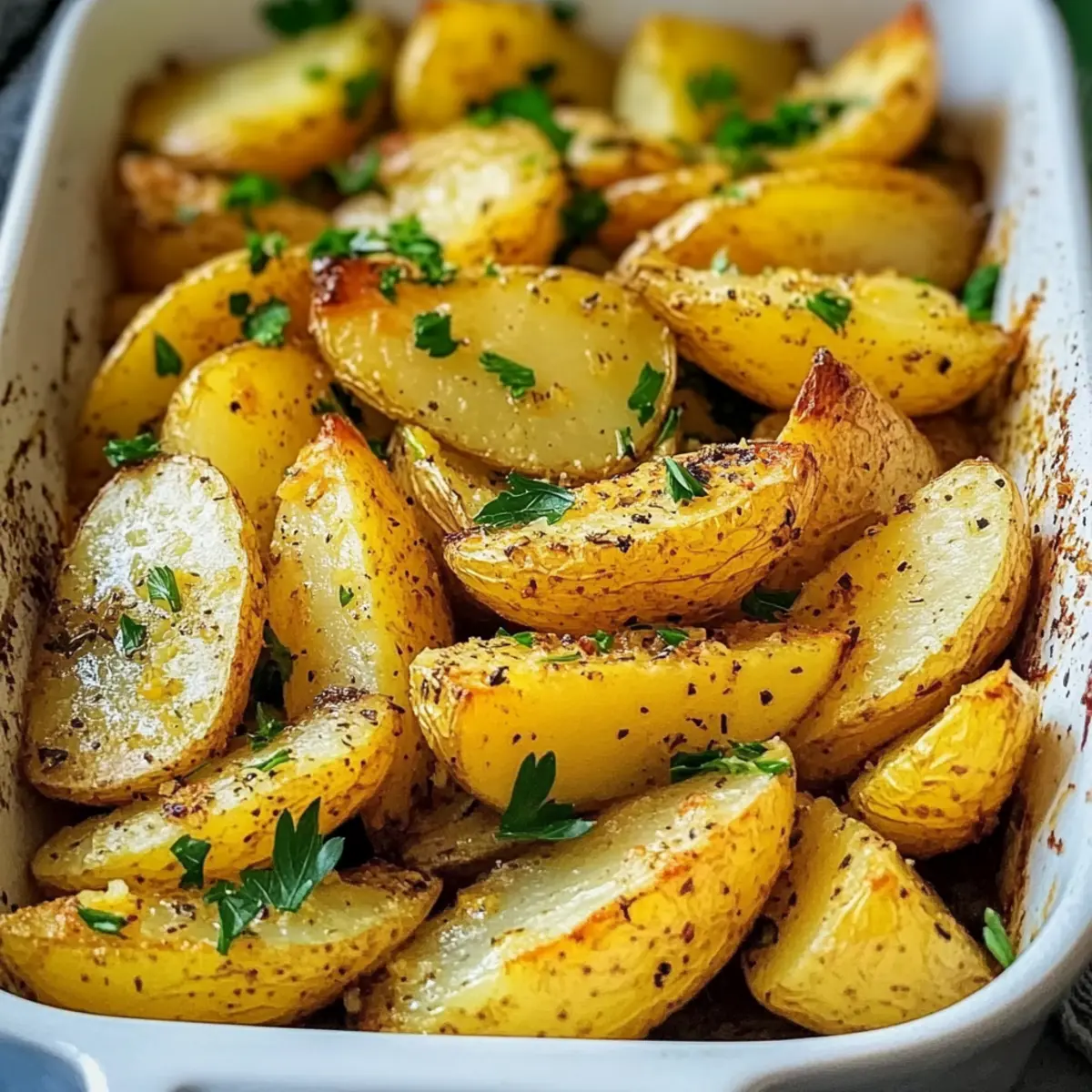
Greek Lemon Potatoes: Crispy-Tender Flavor Explosion
Ingredients
Equipment
Method
- Preheat your oven to 400°F (200°C).
- In a large mixing bowl, whisk together olive oil, juice from 2 lemons, minced garlic, and broth. Add oregano, salt, and pepper.
- Cut the potatoes into wedges and place them in a baking dish. Pour the lemon and broth mixture over the potatoes, ensuring they are coated.
- Cover the baking dish with aluminum foil and bake for 40 minutes.
- Remove foil and bake for an additional 20-30 minutes, basting with pan juices every 10 minutes until crispy.
- Garnish with chopped parsley and serve warm, optionally with tzatziki sauce.