
As the warm aroma of coconut wafts through my kitchen, I’m transported to sun-kissed shores where flavors dance with every bite. These Portuguese Coconut Cakes, or Bolos de Coco, aren’t just a dessert; they’re a warm embrace, perfect for intimate gatherings or lazy afternoons. What makes them truly special is their easy baking process, welcoming even novice bakers to create a tropical treat that dazzles. Plus, with options for gluten-free and dairy-free variations, everyone can savor this delight without reservation. Let’s embark on a delightful journey together—are you ready to make your kitchen echo with the joy of these heavenly cakes?
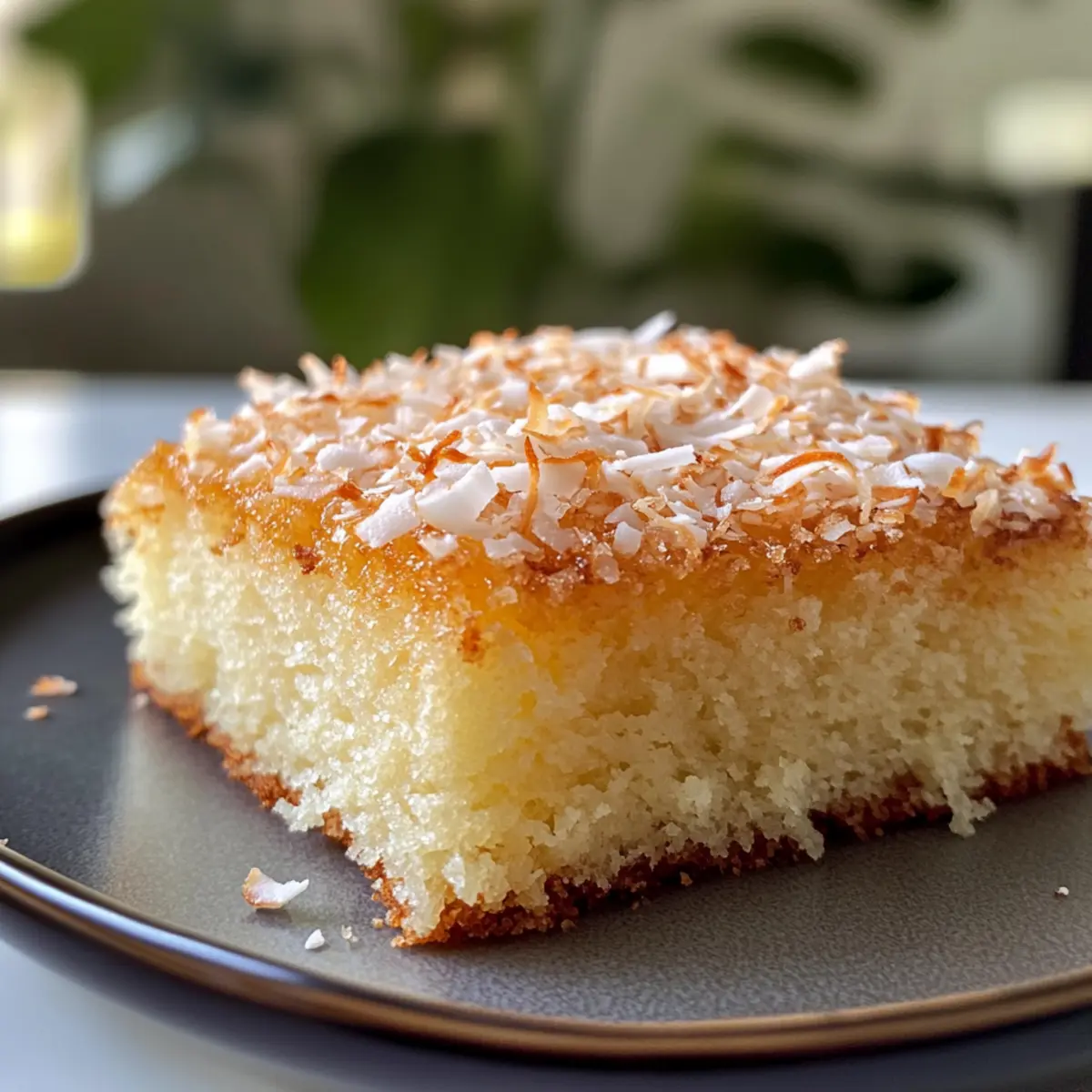
Why Are Portuguese Coconut Cakes Irresistible?
Simplicity: The easy baking process makes these cakes accessible for all, whether you’re a seasoned chef or trying your hand at desserts for the first time.
Tropical Delight: The rich coconut flavor and fluffy texture transport you to sun-soaked beaches with every bite.
Customizable: With options to make it gluten-free or dairy-free, you can tailor the recipe to suit any dietary preferences.
Versatile Serving: Perfect for cozy dinners, afternoon tea, or as a sweet ending to any meal, these cakes are sure to impress your guests.
Make Ahead: You can prepare the batter a day in advance, making entertaining smooth and stress-free. For a tropical twist, try serving them warm alongside Coconut Shrimp Sweet or simply enjoy with some fresh fruits!
Portuguese Coconut Cakes Ingredients
• Create your tropical delight with these essential ingredients!
For the Cake Batter
- Coconut Milk – Provides moisture and a rich coconut flavor; substitute with almond milk for a dairy-free version.
- Shredded Coconut – Adds delightful texture and enhances the coconut flavor; use unsweetened for a less sweet result.
- Eggs – Contributes structure and moisture; consider flax eggs for a vegan option.
- Sugar – Sweetens the cake and helps it brown; brown sugar imparts a hint of caramel flavor.
- Flour – Forms the base of the cakes; try whole wheat flour for a healthier alternative.
- Baking Powder – The leavening agent to ensure your cakes rise perfectly; always check it’s fresh for the best outcome.
Optional Toppings
- Coconut Syrup – Drizzle on top for extra sweetness and coconut flavor that pairs beautifully with the cakes.
- Fresh Fruits – Serve with mango or pineapple for a refreshing contrast and a tropical finish!
These Portuguese Coconut Cakes are bound to impress with their fluffy texture and rich coconut flavor!
Step‑by‑Step Instructions for Portuguese Coconut Cakes
Step 1: Preheat the Oven
Begin by preheating your oven to 350°F (175°C). While the oven is warming, prepare a muffin tin by lining it with paper liners or greasing it lightly with cooking spray. This ensures that your Portuguese Coconut Cakes will release easily after baking and gives them an inviting look as they rise.
Step 2: Mix Wet Ingredients
In a large mixing bowl, whisk together the coconut milk, shredded coconut, eggs, and sugar. Combine these ingredients vigorously for about 1 to 2 minutes until the mixture is smooth and well integrated. You’ll notice the delightful aroma of coconut as the ingredients meld, making your kitchen feel warm and inviting.
Step 3: Combine Dry Ingredients
In a separate bowl, take the flour and baking powder, and whisk them together. Be sure to break up any lumps to achieve a smooth batter. This step is essential as it helps the baking powder activate properly, ensuring that your Portuguese Coconut Cakes will be light and fluffy when baked.
Step 4: Integrate Mixtures
Gradually fold the dry ingredients into the wet mixture using a spatula. Aim to combine them gently until just mixed; it’s okay to have small flecks of flour remaining in the batter. Avoid overmixing, as this helps maintain the cakes’ soft texture, crucial for the perfect Portuguese Coconut Cakes.
Step 5: Fill Muffin Cups
Spoon the batter into the prepared muffin cups, filling each about two-thirds full. This allows space for the cakes to rise beautifully without overflowing. You should see the shredded coconut peeking through the batter, hinting at the delicious tropical flavors that await.
Step 6: Bake
Place the muffin tin in the preheated oven and bake for approximately 25 minutes. The tops should turn a lovely golden brown, and a toothpick inserted into the center will come out clean. This visual cue indicates that your Portuguese Coconut Cakes are ready to be savored.
Step 7: Cool and Serve
Once baked, remove the muffin tin from the oven and let it cool for 5 to 10 minutes. Carefully transfer the cakes to a wire rack to cool completely. Serve them warm for an extra comforting experience, or store them for later; either way, they’re sure to be a hit!
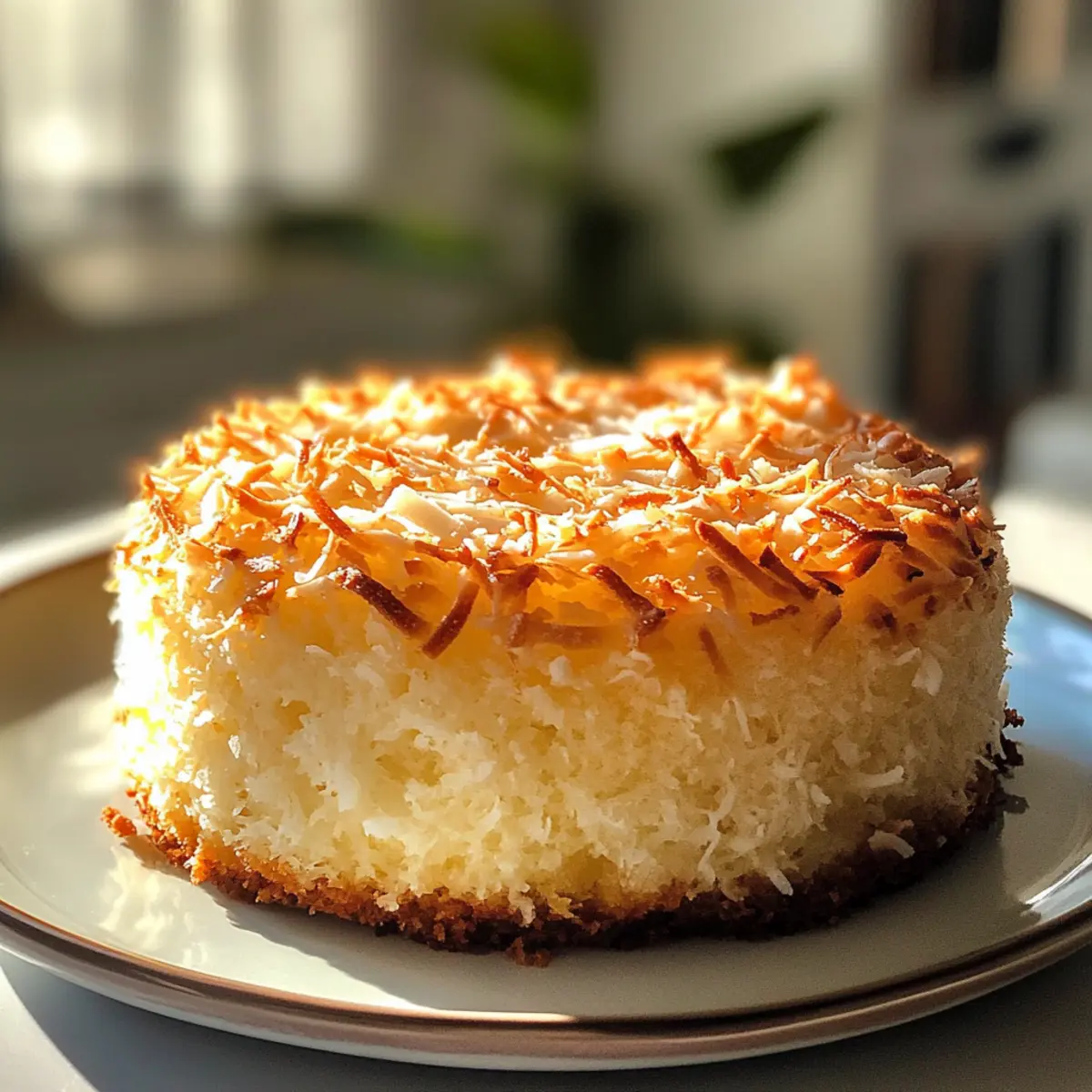
Make Ahead Options
These Portuguese Coconut Cakes are perfect for busy home cooks seeking to save time without sacrificing flavor! You can prepare the batter up to 24 hours in advance—simply mix all the ingredients and refrigerate it in an airtight container to keep it fresh. For even more convenience, baked cakes can be stored at room temperature for up to 3 days or frozen for up to 1 month. To prevent them from drying out, make sure to wrap them tightly in plastic wrap before refrigerating or freezing. When you’re ready to enjoy, simply bake the batter directly from the fridge or thaw the cakes overnight in the fridge and serve them warm. You’ll have delightful Portuguese Coconut Cakes ready to impress with minimal effort!
What to Serve with Portuguese Coconut Cakes?
Indulging in the light and fluffy delight of Portuguese Coconut Cakes invites the imagination to craft an entire meal filled with tropical flavors.
-
Fresh Fruits: Serve with a medley of tropical fruits like mango or pineapple for a vibrant, juicy contrast. The sweetness of the fruit enhances the coconut, making each bite uniquely refreshing.
-
Coconut Syrup Drizzle: A warm coconut syrup drizzled on top adds an extra layer of sweetness and richness. This indulgence infuses the cakes with even more coconut flavor, perfect for sweet tooth enthusiasts.
-
Iced Coffee: Pair these delightful cakes with a chilled glass of creamy iced coffee for a refreshing lift. The rich coffee flavor complements the sweetness of the cakes, creating a satisfying balance.
-
Tropical Smoothie: Enjoy alongside a fruity tropical smoothie made with bananas, pineapple, and coconut milk. This combination not only refreshes but also enhances the overall tropical experience.
-
Chocolate Dipped Strawberries: Add a touch of decadence with chocolate-dipped strawberries. The rich chocolate is a delightful contrast to the light, fluffy coconut cakes, creating an exquisite treat.
-
Vanilla Ice Cream: A scoop of vanilla ice cream brings a creamy, cool touch that pairs beautifully with the warm cakes. The combination of temperatures and flavors is simply divine.
-
Coconut Macaroons: For the coconut lover, serve alongside coconut macaroons for a double dose of tropical delight. The chewy texture contrasts with the fluffy cakes, making for a pleasing dessert spread.
-
Casual White Wine: A glass of chilled Sauvignon Blanc complements the cakes wonderfully. The zesty acidity of the wine balances the sweetness, making each moment more enjoyable.
-
Coconut Water or Pineapple Juice: For a refreshing beverage option, serve with chilled coconut water or pineapple juice, enhancing the tropical vibe while quenching thirst.
Each of these pairings enhances the experience of enjoying Portuguese Coconut Cakes, ensuring a memorable meal filled with flavor and delight!
Portuguese Coconut Cakes Variations & Substitutions
Feel free to get creative with these delightful cakes and tailor them to your taste or dietary needs!
-
Dairy-Free: Substitute coconut milk with almond or oat milk to still enjoy that rich flavor without dairy.
This simple switch makes it suitable for those with lactose intolerance or those pursuing a dairy-free lifestyle. -
Vegan: Replace eggs with flax eggs (1 tablespoon flaxseed meal + 2.5 tablespoons water for each egg), creating a completely plant-based treat.
Your cakes will remain fluffy while embracing a compassionate approach to baking. -
Gluten-Free: Opt for a gluten-free flour blend to enjoy these cakes without worrying about gluten.
This makes them accessible for anyone with gluten sensitivities while still keeping their delicious texture. -
Coconut Flakes: For extra texture, add large coconut flakes instead of or alongside shredded coconut.
Not only will this enhance the coconut flavor, but it’ll also give your cakes a delightful crunch! -
Flavor Boost: Integrate citrus zest, such as lemon or orange, to elevate the cakes with a refreshing zing.
The bright flavors will shine through, lifting the overall taste and making each bite a tropical adventure. -
Nutty Addition: Stir in chopped nuts like pecans or macadamia nuts for added crunch and flavor.
This will create a satisfying texture contrast that complements the soft cake beautifully. -
Chocolate Lovers: Mix in semi-sweet or dark chocolate chips for a decadent twist.
Who could resist the combination of chocolate and coconut? Serve with a scoop of vanilla ice cream for the ultimate treat! -
Tropical Topping: Serve with a drizzle of warm coconut syrup or a dollop of mango puree for a finish that’s full of flavor.
This adds a beautiful presentation and makes the cake feel more indulgent, perfect for special occasions.
By exploring these variations, you’ll turn your Portuguese Coconut Cakes into an even more delightful experience! And remember, they pair wonderfully with my Coconut Cream Pancakes for a delightful brunch spread or as a sweet side alongside Coconut Shrimp Sweet. Enjoy your culinary journey!
Expert Tips for Portuguese Coconut Cakes
-
Room Temperature Ingredients: Ensure all ingredients are at room temperature for seamless mixing. This helps create a smoother batter, crucial for delectable Portuguese Coconut Cakes.
-
Avoid Overmixing: Gently fold the flour into the wet mixture without overmixing. A few lumps are fine, as extra mixing can lead to dense cakes—nobody wants that!
-
Fresh Baking Powder: Always use fresh baking powder to ensure your cakes rise properly. Stale baking powder can result in flat cakes that are less enjoyable.
-
Don’t Peek: Resist the urge to open the oven door while baking. Doing so disrupts the temperature, which is vital for achieving that fluffy texture in your Portuguese Coconut Cakes.
-
Customizable Size: Feel free to make mini cakes or larger muffin-sized treats depending on your occasion. Just be mindful that baking times may vary, so check for doneness accordingly.
How to Store and Freeze Portuguese Coconut Cakes
Room Temperature: Allow the baked cakes to cool completely before storing them at room temperature in an airtight container for up to 3 days. This keeps them fresh and fluffy.
Fridge: If you prefer a longer storage time, place the cakes in the fridge. They will stay fresh for about a week; just remember to cover them well to maintain moisture.
Freezer: For extended storage, freeze the Portuguese Coconut Cakes by wrapping each one tightly in plastic wrap and placing them in a freezer-safe bag. They can last for up to 1 month in the freezer without losing flavor.
Reheating: To enjoy them warm, simply reheat in the microwave for 10-15 seconds or warm them in an oven at 350°F (175°C) for 5-10 minutes, making these cakes feel freshly baked again!
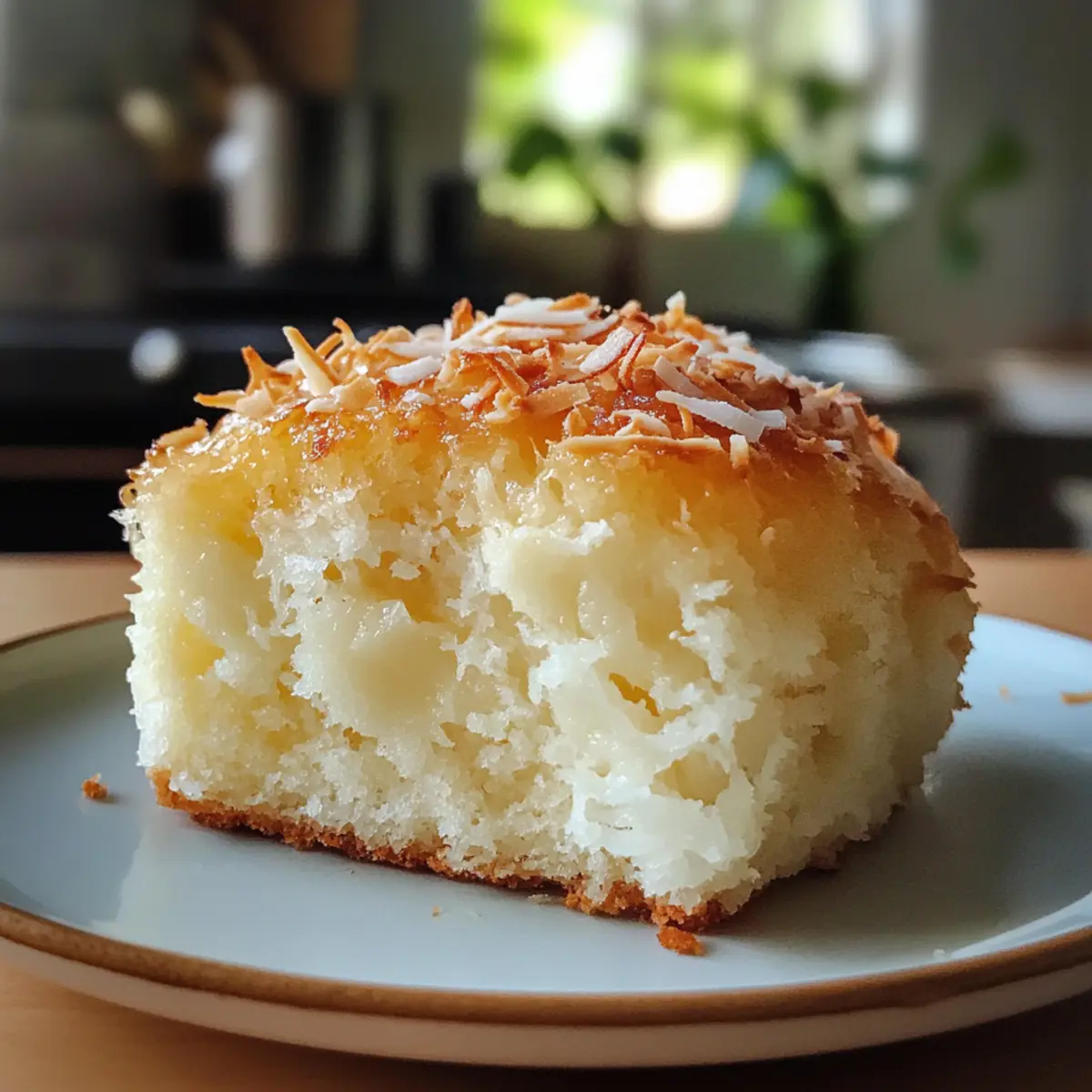
Portuguese Coconut Cakes Recipe FAQs
How do I know if my coconut milk is fresh enough to use?
Absolutely! To check if your coconut milk is fresh, look for any signs of separation or curdling. Fresh coconut milk should be a smooth and creamy consistency. If you see any dark spots or odd odors, it’s best to discard it to ensure your Portuguese Coconut Cakes stay delicious!
How should I store leftover Portuguese Coconut Cakes?
After cooling completely, store your cakes at room temperature in an airtight container for up to 3 days. If you’d like them to last longer, refrigerate them, and they will be good for about a week. Just don’t forget to cover them well to maintain their delightful moisture!
Can I freeze Portuguese Coconut Cakes?
Very! You can freeze these cakes for later enjoyment. Simply wrap each one tightly in plastic wrap and place them in a freezer-safe bag or container. They will stay fresh in the freezer for up to 1 month. When you’re ready to enjoy one, just reheat it in the microwave for 10-15 seconds or warm it in the oven at 350°F (175°C) for 5-10 minutes.
What should I do if my cakes are too dense?
If your Portuguese Coconut Cakes turn out dense, it’s likely due to overmixing the batter. Be sure to fold the dry ingredients into the wet ones gently and stop once just combined; a few small lumps are perfectly fine. Additionally, ensure your baking powder is fresh, as stale powder can hinder the rise and texture of your cakes.
Are Portuguese Coconut Cakes suitable for people with allergies?
While Portuguese Coconut Cakes contain common allergens like eggs and gluten, they can be easily customized! For a gluten-free version, opt for a gluten-free flour blend. To cater to dairy allergies, use almond milk or another plant-based alternative in place of coconut milk. Flax eggs are a fantastic option for a vegan substitute, providing a similar texture without using animal products!
How can I tell when the cakes are fully baked?
To determine if your Portuguese Coconut Cakes are perfectly baked, insert a toothpick into the center of one. It should come out clean or with just a few tiny crumbs attached. Additionally, the tops will turn a lovely golden brown, signaling that they’re ready to be taken out of the oven!
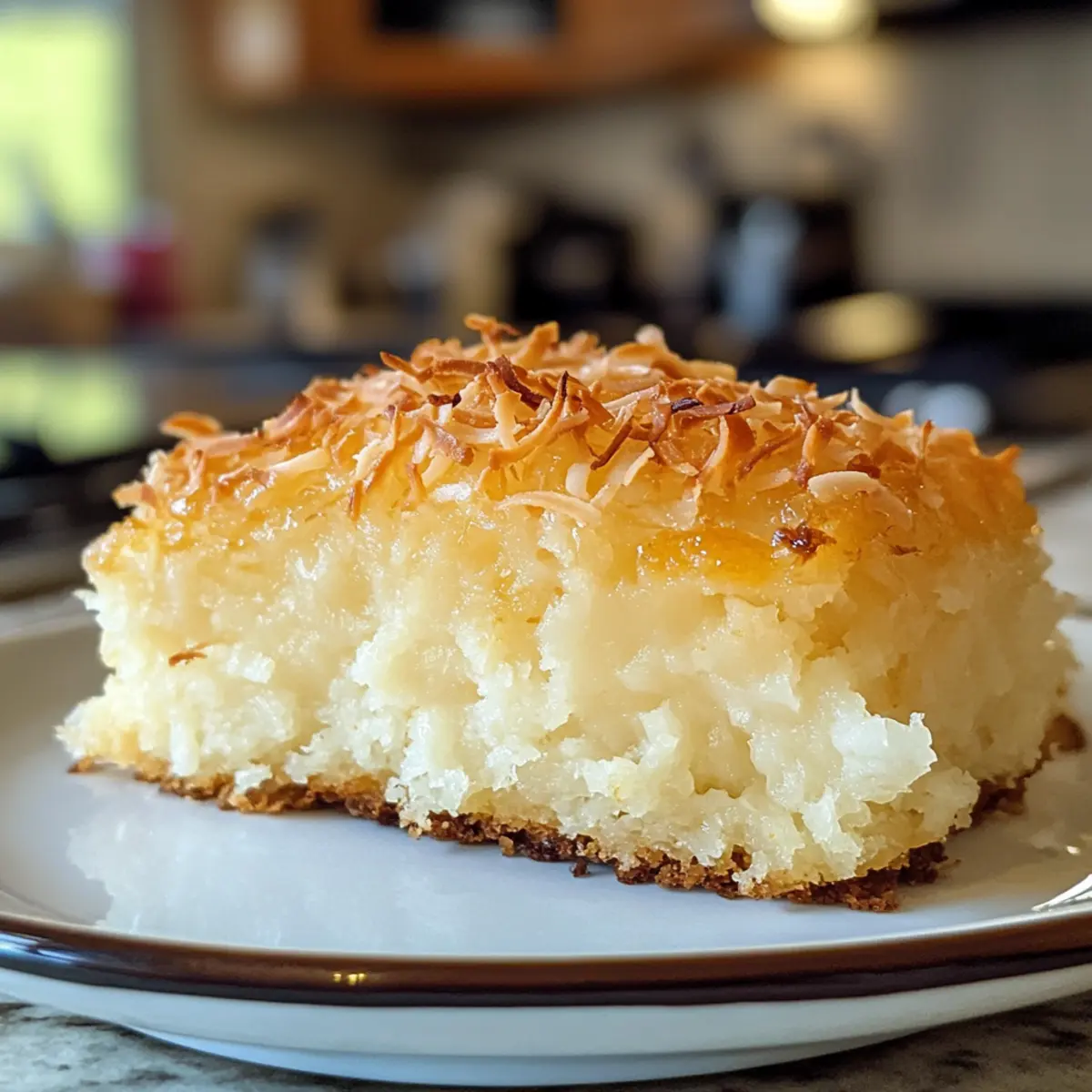
Melt-in-Your-Mouth Portuguese Coconut Cakes to Wow Your Guests
Ingredients
Equipment
Method
- Preheat your oven to 350°F (175°C) and prepare a muffin tin by lining it with paper liners or greasing it.
- In a large bowl, whisk together the coconut milk, shredded coconut, eggs, and sugar for 1-2 minutes until smooth.
- In a separate bowl, whisk together the flour and baking powder, ensuring there are no lumps.
- Gradually fold the dry ingredients into the wet mixture until just mixed, avoiding overmixing.
- Spoon the batter into the muffin cups, filling each about two-thirds full.
- Bake in the preheated oven for approximately 25 minutes until golden brown and a toothpick comes out clean.
- Cool for 5-10 minutes in the tin before transferring to a wire rack to cool completely.
Leave a Reply