
The fragrant aroma of simmering vegetables wafted from the kitchen, immediately conjuring memories of sunlit summer days in the heart of Provence. Today, I’m excited to share my recipe for Traditional Ratatouille, a stunning celebration of seasonal produce that transforms humble veggies into a flavorful masterpiece. This all-vegan and gluten-free dish showcases vibrant eggplant, zucchini, and bell peppers, all lovingly simmered in a rich tomato sauce. It’s incredibly easy to prepare, making it the perfect choice for a comforting meal or a lively gathering. Plus, the beauty of Ratatouille lies in its versatility; whether enjoyed warm, at room temperature, or chilled, it’s always a crowd-pleaser. Curious how this rustic French delight blends simplicity with sophistication? Let’s dive into the recipe and uncover the secrets of this timeless dish!
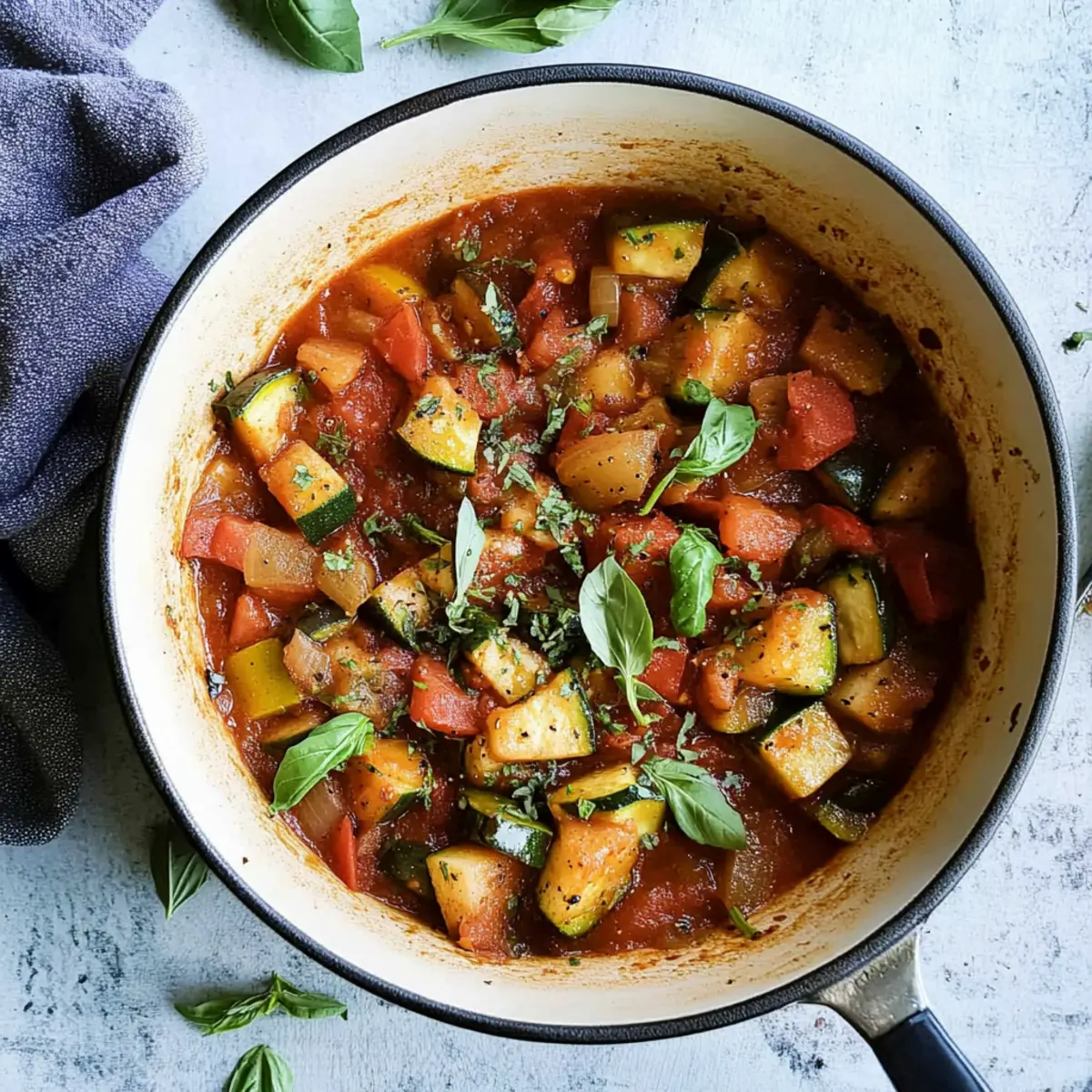
Why is Ratatouille a Must-Try Dish?
Vibrant flavors: This Traditional Ratatouille bursts with the vibrant colors and tastes of summer, making it a feast for the senses.
Easy to prepare: With simple steps, even novice cooks can whip up this rustic dish effortlessly.
Vegetable powerhouse: Packed with seasonal veggies, it’s a great way to celebrate fresh produce and eat healthily.
Versatile serving options: Enjoy it warm, chilled, or at room temperature; it adapts beautifully to any dining occasion.
Crowd-pleaser: Whether at family dinners or casual gatherings, this dish impresses everyone and leaves them coming back for seconds!
Elevate your meal with this classic by pairing it with a side of crusty bread or some grilled chicken for a hearty feast.
Traditional Ratatouille Ingredients
For the Vegetables
- Medium Eggplant – Provides the base texture; you can peel it for a brighter presentation.
- Medium Red Onion – Adds sweetness and depth; for a bolder flavor, swap it for a yellow onion.
- Bell Peppers – Contribute sweetness and color; any mix of red or yellow works beautifully.
- Medium Zucchini & Yellow Squash – Offer tender, contrasting textures; cut into uniform pieces for even cooking.
For the Sauce
- Plum Tomatoes – Freshly chopped for bright acidity; canned tomatoes are a great off-season substitute.
- Crushed Tomatoes (canned) – Forms the essential base sauce; choose a high-quality option for maximum flavor.
- Garlic – Enhances the overall flavor profile significantly.
- Dry White Wine – Adds depth; if avoiding alcohol, substitute with vegetable broth and a splash of vinegar.
Seasoning & Herbs
- Salt – Draws moisture from the eggplant, removing bitterness.
- Black Pepper – Necessary for seasoning to elevate the dish’s flavor.
- Dried Oregano – Provides earthiness; rub between fingers prior to adding to release its fragrance.
- Bay Leaf – Infuses the stew with herbal notes for added complexity.
- Crushed Red Pepper Flakes – Introduces a hint of heat; adjust this based on your spice preference.
- Fresh Basil – Adds a fragrant finish just before serving, enhancing freshness.
Enjoy the rich blend of vegetables and tomatoes in your Traditional Ratatouille—it’s a celebration of summer flavors!
Step‑by‑Step Instructions for Traditional Ratatouille
Step 1: Prep Eggplant
Begin by cutting the medium eggplant into cubes, then place them in a colander. Sprinkle generously with salt and let them drain for 20-30 minutes. This process draws out bitterness and moisture, ensuring your Traditional Ratatouille has a delightful texture. Rinse the eggplant under cold water afterward and pat dry with a kitchen towel.
Step 2: Sauté Vegetables
In a large Dutch oven, heat 2-3 tablespoons of olive oil over medium heat. Add the drained eggplant and sauté for 3-4 minutes until lightly browned and tender. Remove the eggplant from the pot and set aside. Next, repeat this process with diced zucchini and yellow squash, followed by chopped red onion and diced bell peppers, cooking each until softened and aromatic.
Step 3: Combine Ingredients
Once all the vegetables are sautéed, it’s time to build flavors in your Traditional Ratatouille. In the same pot, add the freshly chopped plum tomatoes and minced garlic. Cook together for 1-2 minutes, stirring frequently, until the tomatoes begin to break down and meld into the mix, creating a colorful and fragrant base.
Step 4: Create Sauce
Pour in 1/2 cup of dry white wine, bringing the mixture to a gentle boil for 1 minute to cook off some alcohol. Then, add in a can of crushed tomatoes, along with the bay leaf, dried oregano, and a pinch of crushed red pepper flakes. Stir everything together, allowing those vibrant flavors to intermingle for your Ratatouille.
Step 5: Simmer Vegetables
Return the sautéed eggplant, zucchini, and squash to the pot, mixing gently to combine. Reduce the heat to low, cover the pot partially, and let simmer uncovered for 20-25 minutes. Keep an eye out for the vegetables to become tender and the sauce thickens into a rich, aromatic stew, emblematic of a perfect Traditional Ratatouille.
Step 6: Finish
Once the vegetables are tender, season your Ratatouille with salt and freshly ground black pepper to taste. Don’t forget to remove the bay leaf and discard it. Stir in a handful of fresh basil leaves for a burst of flavor just before serving. Your Traditional Ratatouille is now ready to be enjoyed, warm or at room temperature!
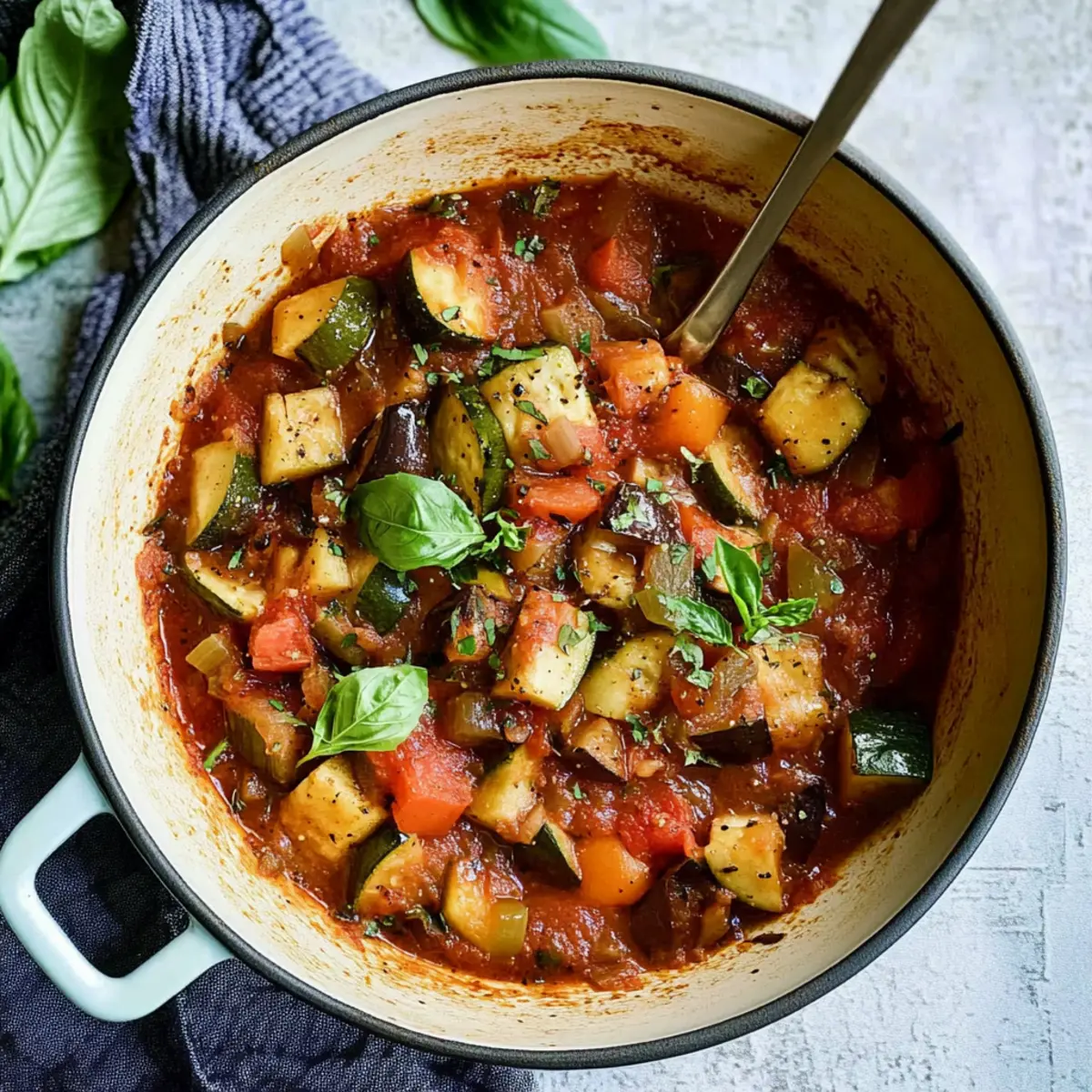
Make Ahead Options
These Traditional Ratatouille preparations are perfect for busy home cooks looking to save time during the week! You can sauté the vegetables up to 24 hours in advance and store them in an airtight container in the refrigerator. Additionally, the tomato sauce can be prepared ahead and kept for up to 3 days. When you’re ready to serve, simply combine the sautéed vegetables with the rich sauce in a pot, heat through, and finish with fresh basil. This ensures that your Ratatouille is just as delicious as when freshly made, while also maximizing flavors, allowing everyone to enjoy this vibrant dish even on the busiest of nights!
Expert Tips for Traditional Ratatouille
-
Drain the Eggplant: Allowing the eggplant to sit with salt for 20-30 minutes helps remove excess moisture and bitterness, creating a better texture in your traditional Ratatouille.
-
Batch Sautéing: Sauté the vegetables in batches to enhance their flavor and texture, preventing steaming. This ensures each ingredient retains its shape and taste.
-
Fresh Herbs Matter: Use fresh basil and herbs whenever possible; add them towards the end of cooking to preserve their vibrant flavor and aroma in your Ratatouille.
-
Quality Ingredients: Choose high-quality crushed tomatoes and fresh vegetables; they elevate the overall dish, allowing the natural flavors to shine through.
-
Flavor Enhancements: Experiment with different herbs such as thyme or rosemary for a unique twist on the traditional Ratatouille.
Storage Tips for Traditional Ratatouille
-
Fridge: Store in an airtight container for up to 4-5 days. The flavors continue to deepen as it sits, making it even more delicious the next day!
-
Freezer: Traditional Ratatouille can be frozen for 2-3 months. Allow it to cool completely before transferring to freezer-safe containers or bags.
-
Reheating: Thaw overnight in the fridge before reheating on the stovetop over low heat. Stir occasionally to warm through and enjoy the comforting aroma.
-
Serving Suggestions: Ratatouille tastes wonderful hot or cold. For best results, allow it to come to room temperature before serving, maximizing its vibrant summer flavors.
What to Serve with Traditional Ratatouille
Savor the delightful experience of enjoying this rustic classic paired with complementary dishes that enhance its vibrant flavors.
-
Crusty Baguette:
A warm, freshly baked baguette is perfect for mopping up the flavorful sauce, adding a delightful crunch to each bite. -
Creamy Polenta:
The creamy texture of polenta provides a comforting base that contrasts beautifully with the chunky ratatouille, creating a harmonious blend. -
Herbed Quinoa:
Light and nutty, herbed quinoa adds a nutritious touch while soaking up the rich flavors from your ratatouille, making it a wholesome meal. -
Grilled Chicken:
Juicy grilled chicken adds a savory protein element that beautifully complements the vegetable medley, enhancing a fulfilling family dinner experience. -
Simple Green Salad:
A fresh salad with mixed greens, cherry tomatoes, and a light vinaigrette introduces a crisp, refreshing touch, balancing the hearty dish. -
Paired White Wine:
A chilled glass of dry white wine, like Sauvignon Blanc, will elevate your dining experience, enhancing the fresh and vibrant notes of the dish.
Traditional Ratatouille Variations & Substitutions
Feel free to let your creativity shine and customize your Ratatouille with these delightful variations!
- Mushroom Swap: Replace eggplant with mushrooms for a meaty texture and umami boost. This swap brings an earthy depth that’s equally satisfying.
- Herb Enhancements: Use fresh thyme or rosemary instead of oregano for a fragrant twist. Each herb adds a unique note that elevates the overall aroma of the dish.
- Add Beans: Incorporate white beans for a protein boost and creamy texture. This addition turns the Ratatouille into a heartier meal—perfect for a filling lunch.
- Spice Levels: Adjust crushed red pepper flakes to your spice preference, or add a dash of cayenne for an extra kick. Play around with heat to find your happy balance!
- Grain Base: Serve over cooked quinoa or farro for a wholesome, filling meal. This not only adds texture but also increases the nutritional value of your Ratatouille.
- Zucchini Noodles: Swap pasta for zucchini noodles to make it a light, low-carb dish. It’s a fun way to sneak in more veggies!
- Cheesy Finish: Sprinkle some vegan cheese or nutritional yeast just before serving for a cheesy, nutty flavor. Melted over the top, it creates a lovely finish that pleases everyone.
- Citrus Notes: Add a splash of lemon juice or zest for a bright, tangy kick. The citrus elevates the richness of the dish and enhances the fresh flavors beautifully.
Each of these variations invites you to explore the endless possibilities of Ratatouille and create a dish that suits your taste perfectly! Don’t forget to store leftovers for a delightful meal another day—learn more about storage tips for keeping your Ratatouille fresh. Happy cooking!
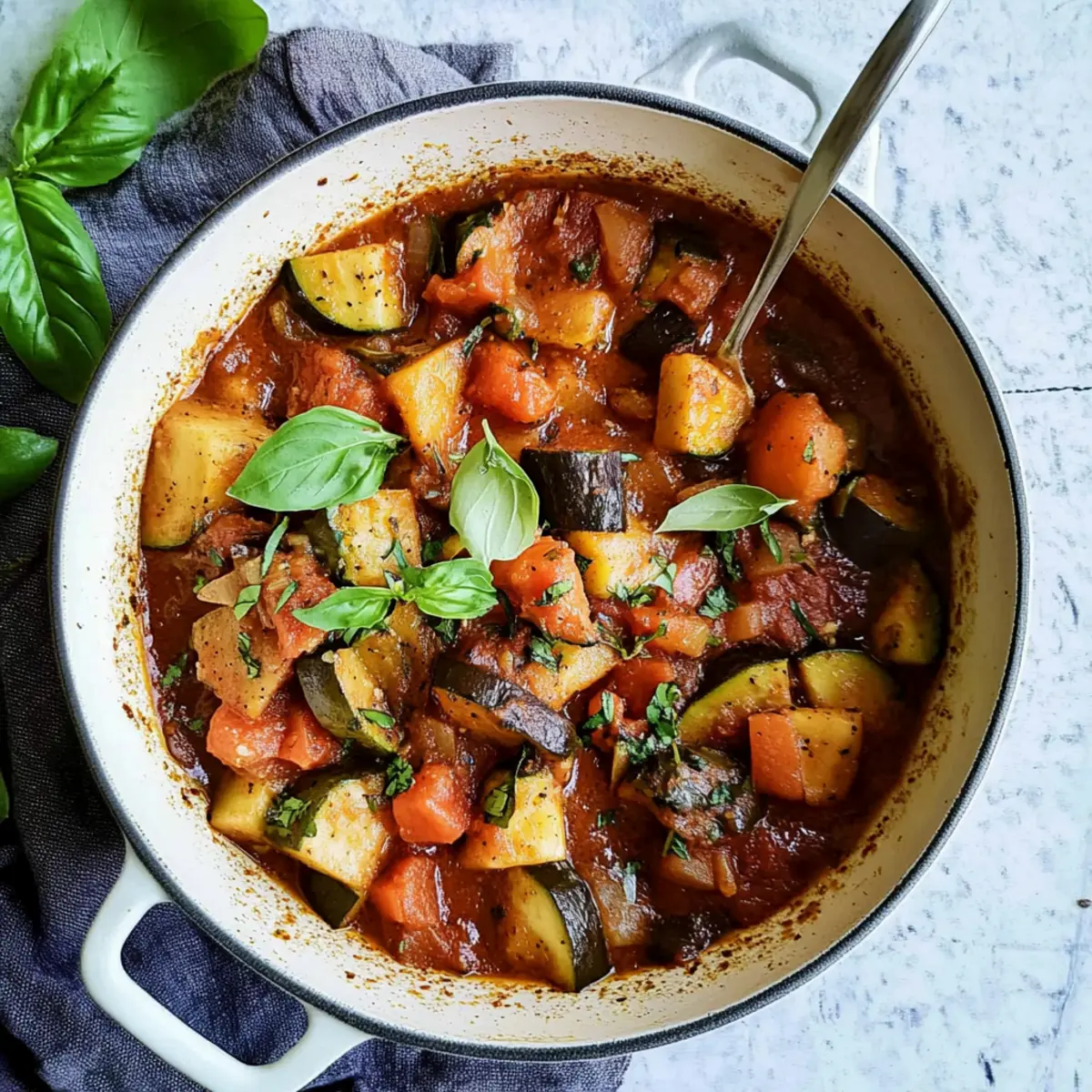
Traditional Ratatouille Recipe FAQs
What type of eggplant is best for Ratatouille?
Absolutely! A medium-sized globe eggplant is perfect for Ratatouille. Look for firm, smooth skin without dark spots or blemishes. You can choose to peel it or leave the skin on for added color and nutrients.
How should I store leftover Ratatouille?
Very! Store your Traditional Ratatouille in an airtight container in the fridge for up to 4-5 days. The flavors continue to develop, and it often tastes even better the next day!
Can I freeze Ratatouille?
Of course! You can freeze Traditional Ratatouille for up to 2-3 months. First, let it cool completely, then transfer it to freezer-safe containers or bags. When ready to enjoy, thaw it overnight in the fridge and reheat on the stovetop over low heat.
What if my Ratatouille turns out too watery?
Great question! If your Ratatouille is too watery, you can help it thicken by simmering it uncovered for an additional 5-10 minutes to evaporate excess moisture. Also, ensure you properly drain your eggplant before cooking, as this helps reduce excess liquid.
Are there any dietary considerations I should keep in mind?
Definitely! Traditional Ratatouille is both vegan and gluten-free, making it suitable for many dietary preferences. Always check for allergies when using specific ingredients, especially if serving to guests or family members who may have sensitivities.
How can I enhance the flavor of my Ratatouille?
The more the merrier! You can elevate the flavor profile by incorporating fresh herbs like thyme or rosemary, adding a splash of balsamic vinegar for acidity, or including a touch of honey (if not strictly vegan) for sweetness. Don’t be afraid to experiment with spices until it’s just right for your palate!
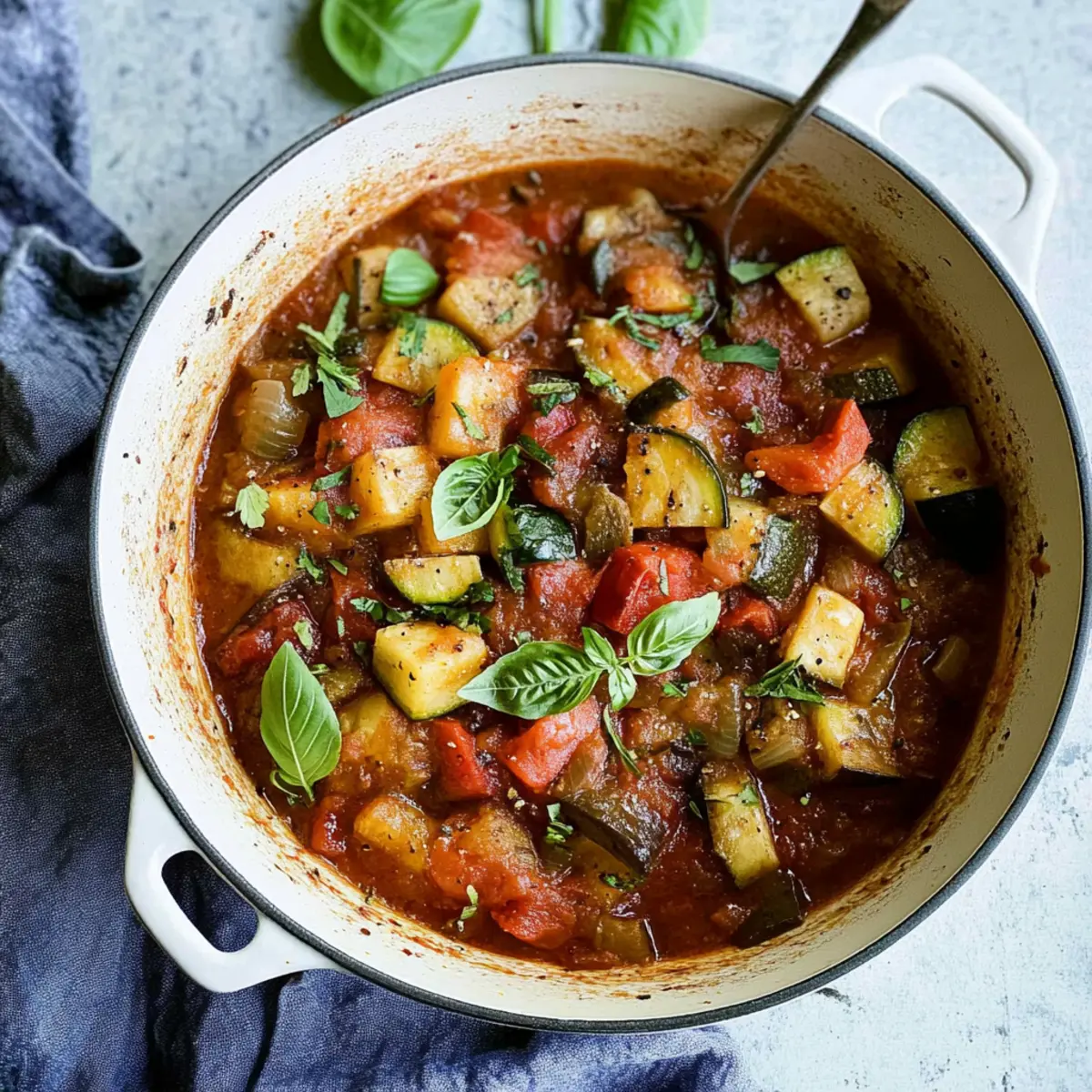
Traditional Ratatouille: Vibrant Summer Flavors Unleashed
Ingredients
Equipment
Method
- Cut the eggplant into cubes, sprinkle with salt, and let drain for 20-30 minutes. Rinse and pat dry.
- In a large Dutch oven, heat olive oil over medium heat. Sauté the eggplant for 3-4 minutes until tender, then remove.
- Repeat the sautéing process with zucchini and yellow squash, followed by onion and bell peppers.
- Add plum tomatoes and garlic to the pot. Cook for 1-2 minutes until tomatoes break down.
- Pour in wine, bring to a gentle boil for 1 minute, then add crushed tomatoes, bay leaf, oregano, and red pepper flakes.
- Return sautéed vegetables to the pot, mix gently, cover partially, and let simmer for 20-25 minutes.
- Season with salt and pepper, remove bay leaf, and stir in fresh basil just before serving.
Leave a Reply