
As the sun sets and the day comes to a close, there’s nothing quite like a warm bowl of miso soup to bring comfort and serenity to your evening. This Quick and Easy Gluten-Free Miso Soup is not only a delightful taste of Japanese cuisine but also takes a mere 10 minutes to whip up, making it a perfect weeknight meal or a light appetizer. With the umami richness of miso combined with silky tofu and tender wakame seaweed, each spoonful feels like a warm hug. Plus, it’s a versatile dish; you can personalize it with various miso types or add your favorite vegetables. Curious about how this soul-soothing recipe can fit into your dinner routine? Let’s dive in!
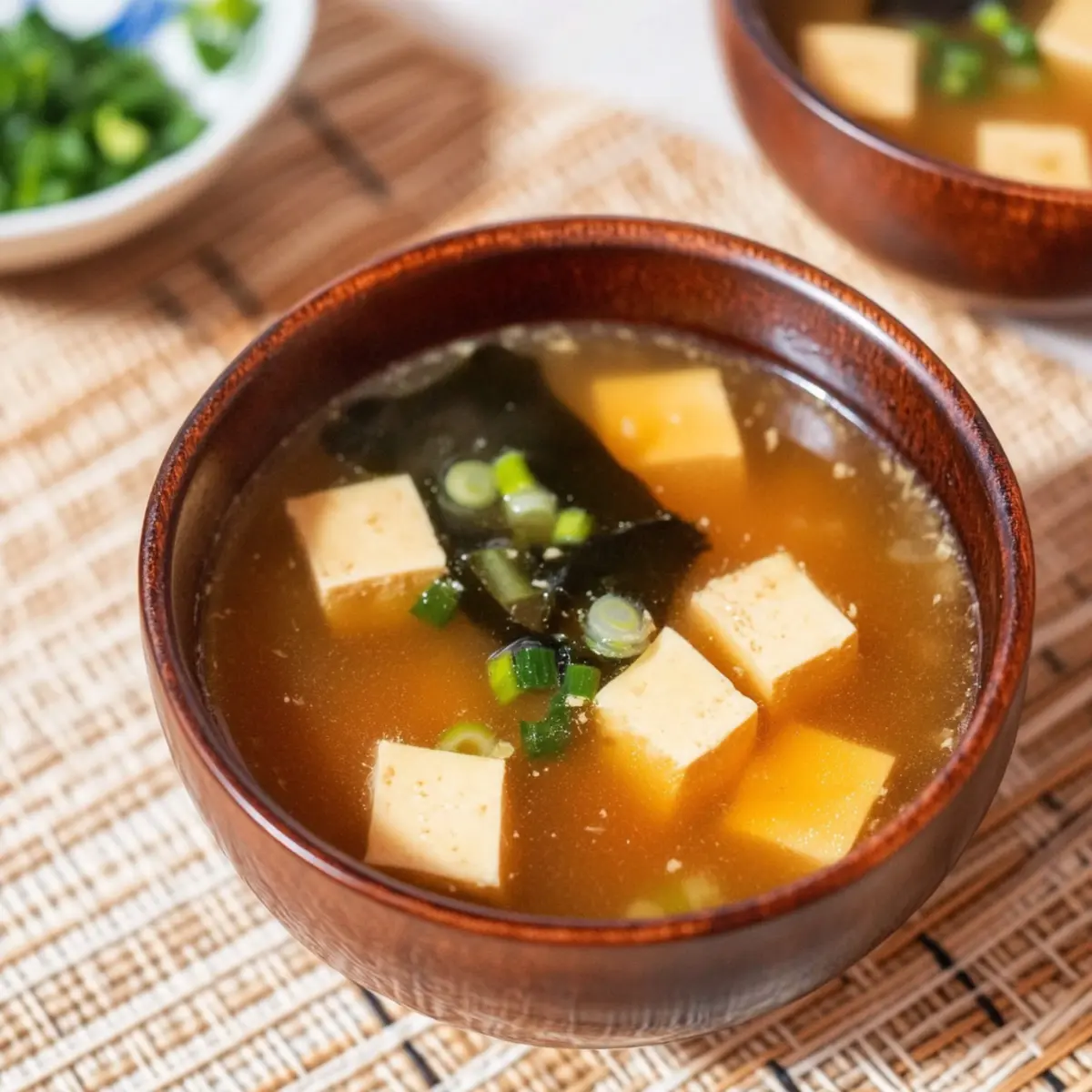
Why is Miso Soup a Must-Try?
Quick Preparation: In just 10 minutes, you can enjoy a comforting bowl of miso soup without any fuss. It’s the perfect solution for busy weeknights!
Rich Umami Flavor: This soup bursts with delicious umami, thanks to the gluten-free miso paste and dashi, providing a deep taste that’s hard to resist.
Customizable Delight: Personalize your soup with different types of miso or toss in vegetables like bok choy or shiitake mushrooms for extra nutrition.
Perfect Light Meal: Low in calories and high in protein, it makes a satisfying choice whether you’re enjoying it as a main dish or alongside another dish, like Chorizo Pumpkin Soup.
Cultural Comfort: Dive into a culinary tradition beloved in Japan, where miso soup is cherished for both its taste and soothing qualities. Why not add a splash of Japanese culture to your dinner table tonight?
Miso Soup Ingredients
• Are you ready to create a delicious Miso Soup? Here’s what you need!
For the Soup
- Water – The essential base for this comforting soup that requires no substitutions.
- Hondashi Powder – An instant dashi broth alternative that enhances umami flavor; other dashi products work too!
- Wakame Seaweed – A traditional texture that adds richness; cut into smaller pieces for easy eating.
- Tofu – Provides a boost of protein; choose from silken, soft, medium firm, or firm based on your preference.
- Gluten-Free Miso Paste – The star ingredient that provides depth; white, yellow, or red miso can be swapped for various flavor profiles.
- Green Onion – This optional garnish adds a fresh, aromatic touch that elevates your Miso Soup experience.
Each ingredient plays a role in making this easy miso soup a satisfying, heartwarming dish. Enjoy your cooking!
Step‑by‑Step Instructions for Quick and Easy Gluten-Free Miso Soup
Step 1: Boil the Water
In a large saucepan, bring 4 cups of water to a rolling boil over high heat. This water forms the base of your Miso Soup, making it essential for the overall flavor. As the water heats up, gather your other ingredients to streamline the process.
Step 2: Add Hondashi Powder
Once the water is boiling, reduce the heat to medium and whisk in 1-2 tablespoons of hondashi powder until fully dissolved. This instant dashi broth alternative introduces a generous umami flavor to the soup. Keep an eye on the mixture and ensure it stays at a gentle simmer.
Step 3: Incorporate Seaweed and Tofu
Add the cut pieces of wakame seaweed and cubed tofu to the saucepan. Turn the heat back up to bring the soup to a soft boil again, allowing it to bubble for about 3 minutes. You’ll notice the seaweed rehydrates and expands, adding a delightful texture to your Miso Soup.
Step 4: Dissolve the Miso Paste
Turn off the heat and take a small bowl. Scoop out 3-4 tablespoons of gluten-free miso paste and dissolve it with a few ladles of the hot broth, stirring until smooth. This technique prevents clumps, ensuring a silky consistency in your Miso Soup.
Step 5: Combine and Garnish
Slowly pour the dissolved miso back into the saucepan while gently stirring. Then, add sliced green onions for a fresh touch and mix well. As you stir, the Miso Soup will take on a lovely, rich color and aroma, ready to warm you up.
Step 6: Serve Hot
Ladle the warm Miso Soup into bowls, ensuring each serving has a mix of tofu, seaweed, and broth. Enjoy it immediately for the best flavor, and consider sprinkling some sesame seeds on top for added crunch. Dive into this cozy soup and relish every comforting spoonful!
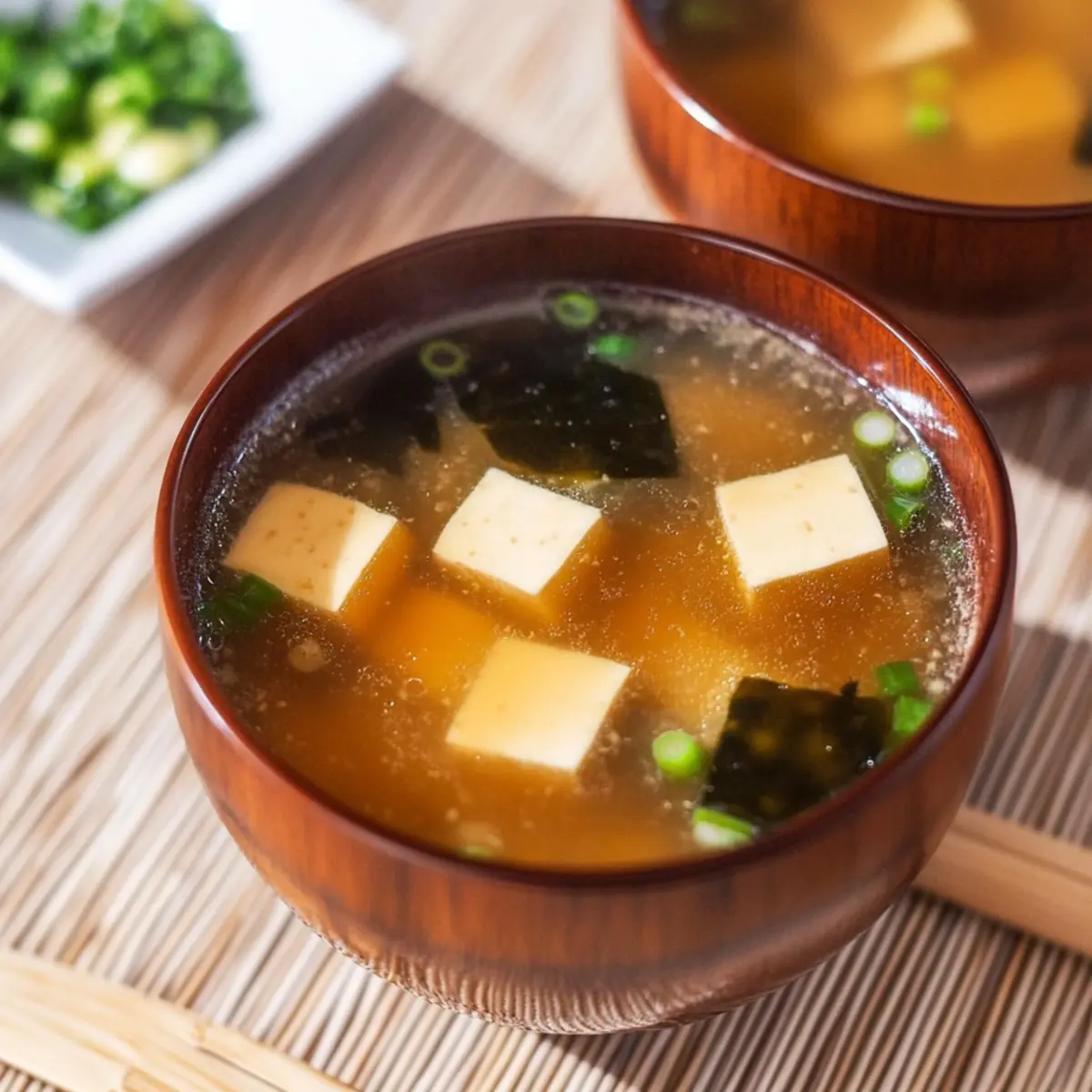
Miso Soup Variations & Substitutions
Feel free to explore these exciting twists on the classic miso soup, allowing your creativity to shine in the kitchen!
- Dairy-Free: Use plant-based tofu or omit any dairy products to keep your soup light and friendly for all diets.
- Veggie Boost: Add fresh vegetables like spinach, bok choy, or sliced mushrooms for added nutrition and a pop of color.
- Spicy Kick: Incorporate a dash of chili paste or red pepper flakes for a delightful heat that warms from the inside out.
- Umami Explosion: Try adding a splash of soy sauce or tamari for an extra umami punch, perfect alongside dishes like Tuscan Ravioli Soup.
- Noodle Lovers: Toss in cooked soba or rice noodles to transform this light dish into a hearty meal that’s even more filling.
- Alternative Proteins: Swap in edamame or seitan for a protein-packed alternative that complements the miso soup beautifully.
- Different Miso: Experiment with various types of miso—red for a bolder flavor or white for a lighter essence, creating a unique bowl every time.
- Flavor Infusion: Add a splash of lemon juice or a sprinkle of sesame oil before serving to enhance the aromatic qualities of your soup.
Each variation allows you to tailor your miso soup to suit your tastes, making it a versatile dish that never gets boring!
Make Ahead Options
Preparing this Easy Miso Soup ahead of time is a fantastic way to save precious moments during busy weeknights! You can prepare the broth (water and hondashi powder) up to 24 hours in advance and store it in the refrigerator. Additionally, you may cut the tofu and wakame seaweed, placing them in airtight containers for up to 3 days. However, for optimal flavor, it’s best to add the gluten-free miso paste just before serving. When you’re ready to enjoy your hearty soup, simply heat the prepared broth, add the tofu and seaweed, bring to a gentle simmer, and dissolve the miso as instructed. This way, your soup retains its delicious quality while fitting seamlessly into your meal prep!
Expert Tips for Miso Soup
Smooth Consistency: Use a mesh strainer to dissolve miso paste for a silky texture. If you don’t have one, mix the miso in a separate bowl before adding it to the soup.
Check Labels: Ensure your miso paste is labeled gluten-free to maintain the integrity of your dish, especially if you’re serving guests with dietary restrictions.
Salt Balance: Start with 3-4 tablespoons of miso paste, adjusting based on your taste preference. Different miso types vary in saltiness, especially between white and red.
Add Vegetables: For an extra boost of nutrition and flavor, feel free to toss in vegetables like bok choy or green beans along with the tofu.
Serving Freshness: Enjoy the soup hot for the best flavor, and consider adding garnishes like sesame seeds or a drizzle of sesame oil just before serving to elevate the dish.
What to Serve with Quick and Easy Gluten-Free Miso Soup
As you bowl up this heartwarming delight, think about how to elevate your meal experience with complementary dishes.
- Tonkatsu: This crispy, golden pork cutlet pairs beautifully with the umami flavors of miso soup, providing a satisfying contrast in texture. Enjoy the crunch as a delightful dip into the warm broth!
- Air-Fried Chicken Katsu: A lighter spin on a classic, this tender chicken offers a wonderful flavor balance to the savory soup, making it an ideal pairing for a comforting meal.
- Steamed Jasmine Rice: Light and fluffy, jasmine rice brings a lovely aromatic quality that absorbs the soup’s rich broth. Add it to your bowl for a heartier experience!
- Vegetable Tempura: Crispy and light, tempura adds a delightful crunch and a variety of seasonal vegetables. This pairing creates a beautiful contrast with the silky texture of the miso soup.
- Pickled Vegetables: These tangy bites provide a refreshing burst of flavor that cuts through the richness of the soup, enhancing the overall Asian dining experience.
- Chilled Sake or Green Tea: Sip on these traditional drinks to complement your meal. The delicate flavors of sake or tea balance the umami of the miso, creating a harmonious feast.
- Sesame Spinach Salad: The nutty flavors and tender greens of this salad add a refreshing element, making every bite feel light and vibrant next to the hearty soup.
- Mochi Ice Cream: For dessert, this chewy treat filled with ice cream offers a sweet end to your meal, contrasting nicely with the warm, savory notes of miso soup.
How to Store and Freeze Miso Soup
Fridge: Store leftover Miso Soup in an airtight container for up to 3 days. To retain the best flavor, add miso only to individual servings you intend to eat right away.
Freezer: For longer storage, freeze the soup in airtight containers for up to 2 months. However, it’s best to freeze the broth without tofu and seaweed; add those fresh when reheating.
Reheating: Thaw in the fridge overnight, then reheat gently on the stovetop or microwave until warmed through. Avoid boiling to preserve the texture of tofu.
Room Temperature: It’s best to avoid leaving Miso Soup at room temperature for more than 2 hours to ensure freshness and safety.
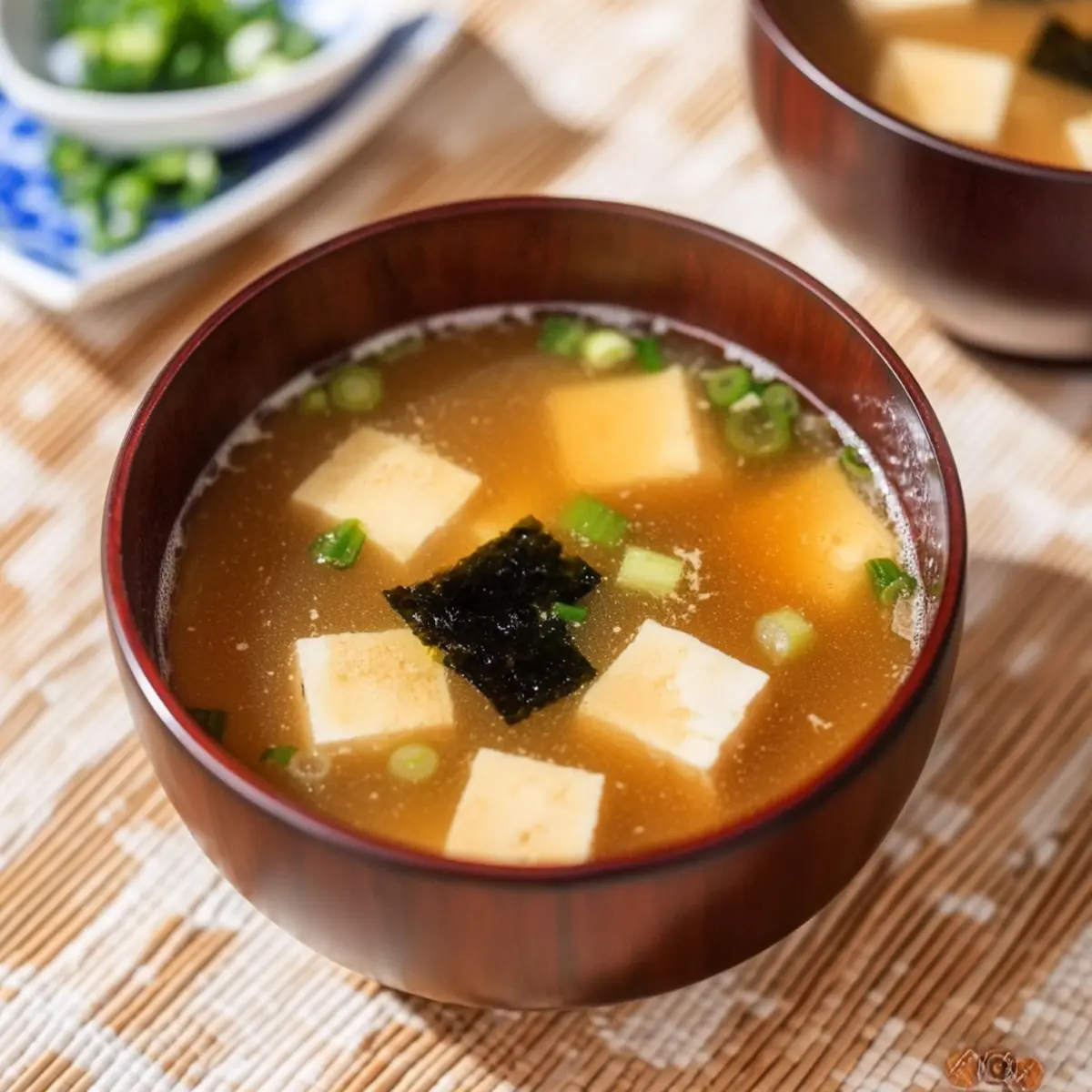
Quick and Easy Gluten-Free Miso Soup Recipe FAQs
What should I look for when selecting miso paste?
Absolutely! When choosing gluten-free miso paste, check the label for “gluten-free” to ensure there are no hidden wheat products. Miso varieties include white (sweet), yellow (mild), and red (stronger). Taste preferences vary, so I recommend trying a few to find your favorite!
How should I store leftover miso soup?
To keep your soup fresh, store it in an airtight container in the refrigerator for up to 3 days. To maintain the best flavor, I suggest adding miso paste only to the portions you intend to enjoy right away, as it can lose its unique taste if left too long.
Can I freeze miso soup?
Yes, you can freeze miso soup! However, to retain the best texture, I recommend freezing the broth alone (without tofu and seaweed) in airtight containers for up to 2 months. When you’re ready to enjoy it, simply thaw in the fridge overnight, reheat gently, and then add fresh tofu and wakame.
What if my miso soup is too salty?
If you find your soup is too salty, don’t worry! You can dilute it by adding a bit more water or broth gradually until it reaches your desired flavor. Alternatively, consider adding more tofu or some diced vegetables to balance out the saltiness.
Is miso soup safe for pets?
While miso itself is not toxic to pets, it’s best to avoid giving it to them due to its high sodium content. If your furry friend accidentally tastes a small amount, they’re likely okay, but I wouldn’t make it a regular treat! If you suspect any negative reaction, consult with your veterinarian.
How do I ensure my miso soup has the right texture?
For a perfectly smooth miso soup, use a mesh strainer to dissolve the miso paste before adding it to the broth. If you don’t have a strainer, mix the miso thoroughly in a separate bowl with a bit of hot broth until smooth, and then introduce it back to the soup. This process prevents any clumping, resulting in a wonderfully silky texture!
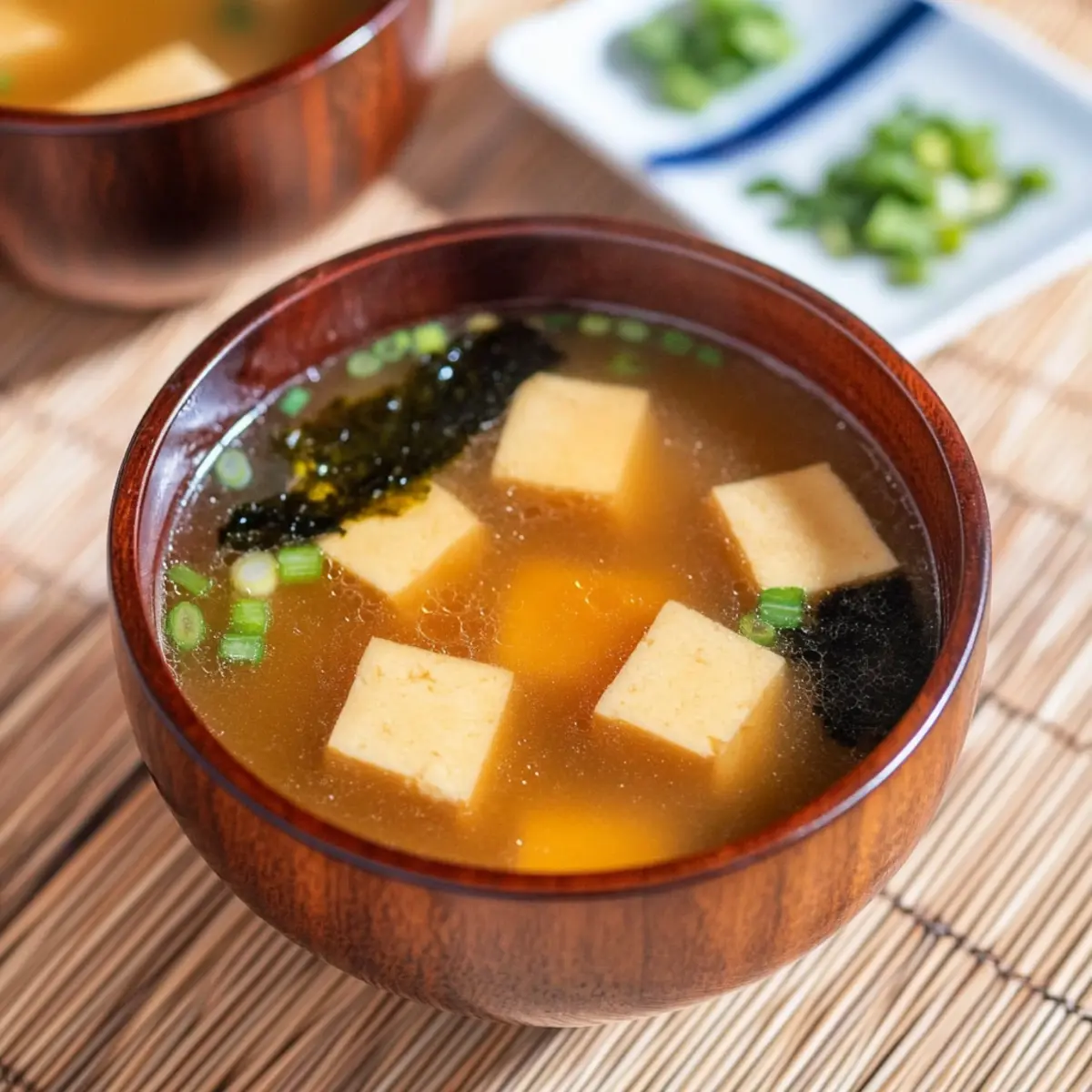
Simple Miso Soup Recipe for a Cozy, Gluten-Free Meal
Ingredients
Equipment
Method
- In a large saucepan, bring 4 cups of water to a rolling boil over high heat.
- Once boiling, reduce heat to medium and whisk in 1-2 tablespoons of hondashi powder until dissolved.
- Add cut pieces of wakame seaweed and cubed tofu to the saucepan. Bring to a soft boil again for about 3 minutes.
- Take a small bowl, scoop out 3-4 tablespoons of miso paste, dissolve with a few ladles of broth.
- Slowly pour the dissolved miso back into the saucepan while gently stirring. Add sliced green onions.
- Ladle the warm Miso Soup into bowls and serve immediately.
Leave a Reply